In case of emergency, immediate medical, life-saving assistance is possible through paramedics.
For decades, these front-line medical responders have operated in the shadows of the healthcare system. However, a historic shift occurred on July 8, 2026, as Zimbabwe officially joined the global community to celebrate its inaugural International Paramedics Day. Gathered at the Harare Town House.
The path to this recognition has been paved by both global solidarity and national policy alignment. International Paramedics Day itself was first established by the College of Paramedics in the United Kingdom in 2022.
Over 30 public and private emergency medical service (EMS) providers came together not just to commemorate, but to demand a long-overdue recognition of their role as the true backbone of Zimbabwean healthcare.
This marked gratitude to the unsung heroes and heroines.
Operating as mobile emergency rooms during the crucial “golden hour,” paramedics are professionals who had not been recognised locally.
The recognition transforms the country’s emergency medical services.
When disaster strikes, the ultimate difference between life and death is rarely decided on a sterile operating table or under the bright lights of a hospital theatre.
Instead, that fate is sealed much earlier, on the unforgiving asphalt of the country’s major highways, in the chaotic living rooms of sudden cardiac arrest victims and within the cramped, swaying back of a speeding ambulance.
By bringing this commemoration to Zimbabwe, local organisers Health and Safety Solutions cast a glaring spotlight on the extraordinary demands placed on local responders.
A live mock emergency drill formed one of the highlights of the day. The demonstration featured a simulated road traffic accident and showcased the coordinated response of emergency medical personnel, illustrating the life-saving techniques and rapid interventions that paramedics perform daily in real-life emergencies.
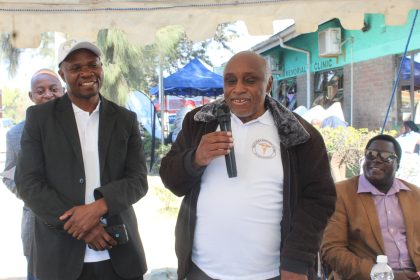
Speaking on behalf of the Minister of Health and Child Care, Dr Douglas Mombeshora, the Ministry’s Chief Director of Curative Services, Dr Maxwell Hove, delivered a powerful message regarding the shifting priorities of national healthcare delivery.
He reminded the nation that emergency medical services are no longer an afterthought or a luxury, but a fundamental constitutional right.
“We are now required to provide emergency medical services first,” Dr Hove stated firmly. “Issues relating to remuneration or payment of fees can only be addressed after we have saved a human life. That is the significance of enshrining emergency medical services in both the Constitution and our statutes.”
The “Golden Hour” is important, it is a lide or death window period.
That fleeting, sixty-minute window following a traumatic injury or medical emergency where immediate intervention can prevent irreversible organ failure or death is what paramedics are in a race to deliver.
“Advanced life support within this window increases chances of survival,” explained Wendy Olivier, a Marketing Executive at Trauma Centre Borrowdale, Harare.
“Paramedics are the exclusive custodians of this crucial timeframe through mobile emergency rooms. At Borrowdale Trauma Centre, are crew is experienced and use state-of-the-art mini hospitals on wheels as they rush the patient to the facility for comprehensive treatment,” Olivier added.
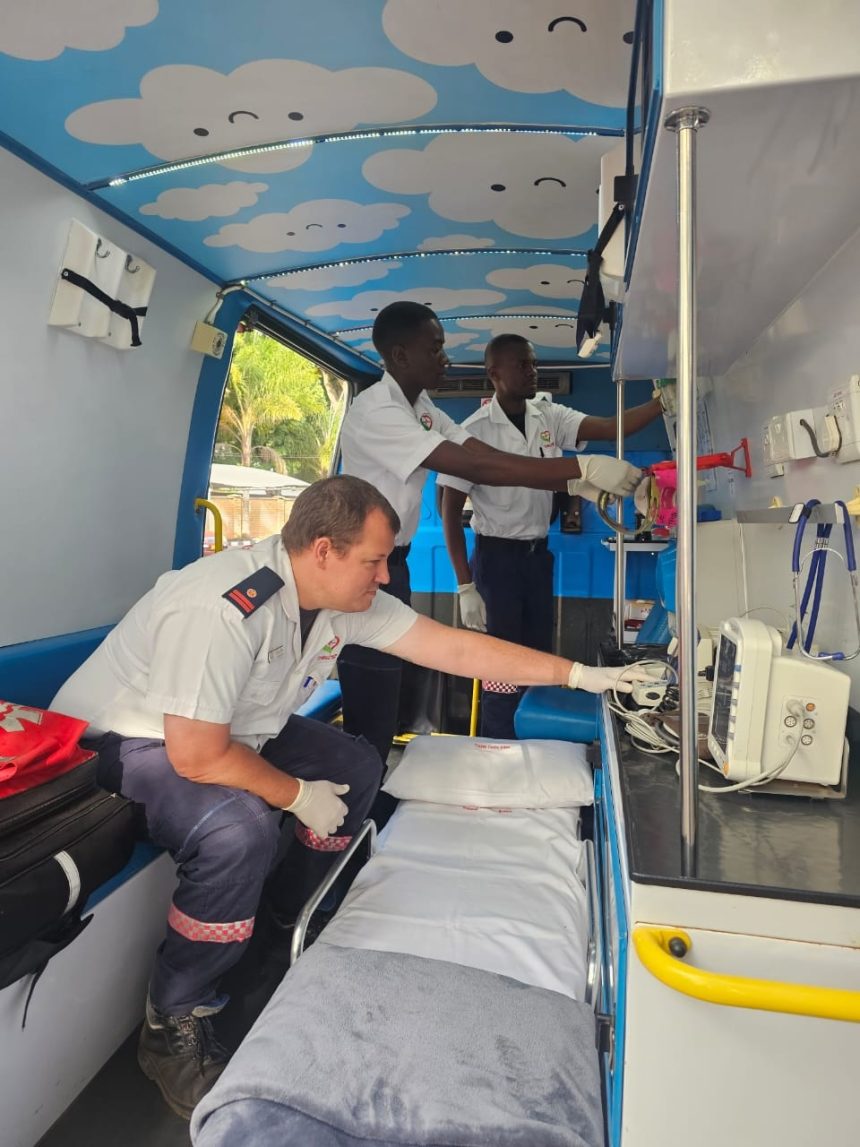
The modern Zimbabwean ambulance is no longer a simple transport vehicle; it is a highly sophisticated, rolling resuscitation bay. These units are intricately equipped with ventilators, defibrillators and advanced cardiac medications designed to bring surgical precision directly to the roadside.
“Within these moving chambers, paramedics routinely perform highly invasive, high-risk procedures such as intubation, needle chest decompressions, and intravenous therapy, while navigating traffic at high speeds. What other road users see is a high speed ambulance fladhing red lights and siren What is taking place inside is a life-saving procedure. Operating without a doctor looking over their shoulders, these responders serve as the critical decision-making first port of call. They make the split-second choices that pull a patient back from the brink of death,” Olivier explained.
Paramedics and emergency personnel can access specialised trauma training through accredited local institutions in Harare, such as the Trauma Training Institute at the Trauma Centre Borrowdale, focusing on hands-on, pre-hospital admission, managing serious injuries, traumaand medical emergencies, at home, work or road carnage.
A global standard in trauma education often provided for paramedics includes Airway Management, Intensive training for critical patient care, International Trauma Life Support (ITLS) on air and road.
Emergency medical responders are required to maintain absolute emotional detachment and clinical focus while surrounded by overwhelming panic, raw grief and absolute chaos.
Getrude Chiwisa of Health and Safety Solutions, organisers of the event emphasized the mental and emotional endurance required to survive in the profession.
“The day is a very important day for us because paramedics are often unsung heroes whose work is rarely recognised,” Chiwisa noted.
“We attend very traumatic scenes involving fatal crashes, severe injuries, amputations and other life-threatening emergencies. It is not easy to witness such situations, yet very few people celebrate what paramedics do.”
The profession carries the ultimate risk, a reality that was solemnly acknowledged during the commemorations.
The event paused for a poignant moment of silence to pay tribute to fallen paramedics who lost their lives while attempting to save others. Their supreme sacrifice serves as a sobering reminder of the dangers faced by those who run toward tragedy.
Despite the trauma and the risks, the spirit of resilience within Zimbabwe’s EMS community remains unbroken.
For the first time in the nation’s history, long-service awards were presented to veteran paramedics. In an extraordinary display of dedication, some recipients were honoured for committing a staggering 50 years to saving lives on the front lines.
To support this legacy and bolster the struggling front-line infrastructure, the City of Harare used the historic occasion to deploy six brand-new ambulances to its municipal fleet.
This injection of resources represents a tangible step toward bridging the gap between medical necessity and community access.
Summarising the collective sentiment of the day, Councillor Jane Bengani, who represented Harare Mayor Jacob Mafume, delivered a poignant truth: “Paramedics are the frontline guardians of emergency healthcare. They respond when others are running away from danger.”
Without the paramedics specialised, courageous intervention, the doors of any hospital emergency room would open far too late for thousands of Zimbabwean citizens.
Paramedics do infinitely more than merely transport the sick, they actively hold back the margin between life and death, standing tall as the indispensable vanguard of our nation’s health.
Feedback: [email protected]