Menstrual Hygiene Day is on May 28 every year.
It’s held on the 28th because the average menstrual cycle is 28 days and the average period lasts 5 days, so the date represents the 5th day of the 5th month.
The day started in 2014 to break taboos, raise awareness about menstrual health and push for access to hygiene products and education.
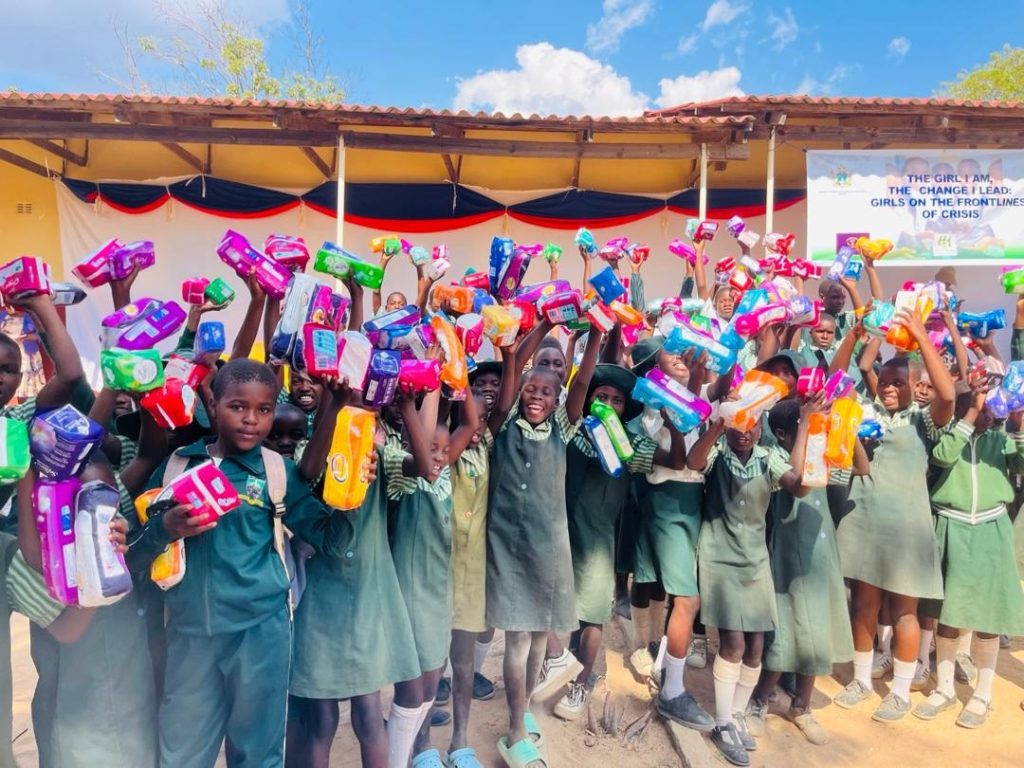
Ahead of the Menstrual Hygiene Day, the road to Murehwa was busy with more than the usual foot traffic on Monday. Staff and volunteers from Shamwari Yemwanasikana arrived with dignity kits in hand, sanitary pads, underwear, soap and towels. A clear message stood out: No girl should have to choose between her education and her period.
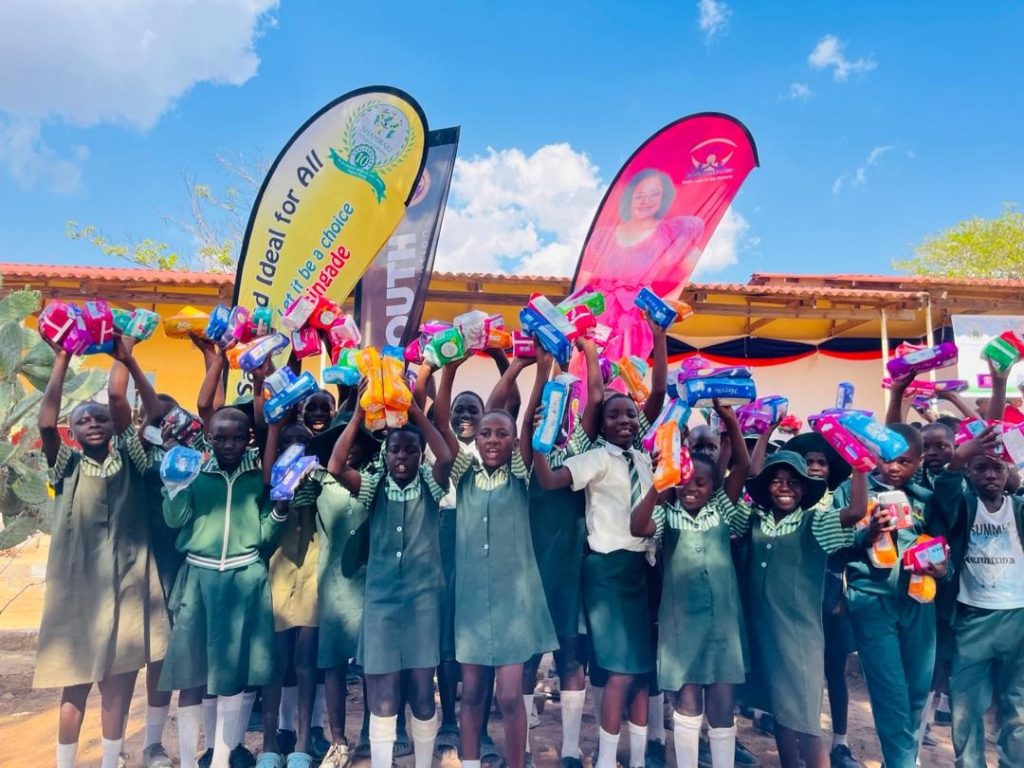
School girls in Murehwa shared menstrual health kits boasting confidence and dignity.
It sounds simple. In rural Zimbabwe, it isn’t. A week lost to mother nature can never be regained.
For many girls in Murehwa and similar communities, menstruation still means absence. Absence from class, absence from confidence, absence from the chance to participate fully in school and community life. The reasons are practical and painful. A pack of sanitary pads costs around US$1. A girl needs roughly three packs a month to manage her cycle safely. That’s US$3 a month, a figure out of reach for families living on less than a dollar a day.
The trade-offs are brutal. When a 20kg bag of maize costs the same as a single pack of pads, food wins every time. So girls improvise with old clothes, newspaper, or whatever they can find. Others stay home entirely, missing up to a fifth of the school year. In some rural schools, teachers estimate that 62% of girls skip class during their period.
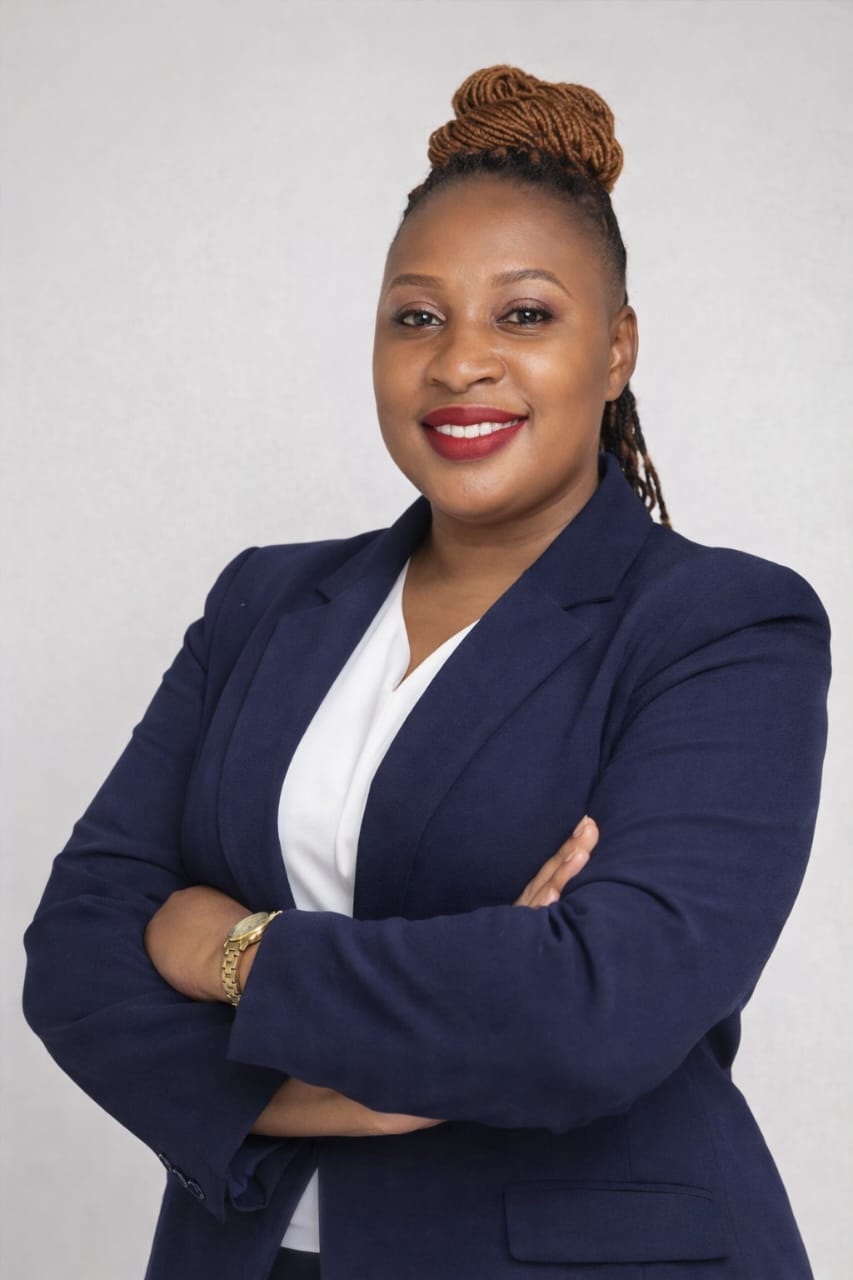
Ekenia Chifamba, who founded Shamwari Yemwanasikana in 2013 after seeing violence against girls rise in her own community of Chitungwiza, calls this what it is: a barrier to dignity and participation.
“Murehwa reflects many of the realities we are responding to as an organisation,” she says. “Rural and semi-rural communities where menstrual hygiene challenges remain a serious barrier to education, dignity, and participation for girls.”
Shamwari Yemwanasikana’s response goes beyond handing out pads. In Murehwa, the team ran education sessions that are deliberate about building both knowledge and confidence. Girls learned about the menstrual cycle and reproductive health in age-appropriate terms. They practiced safe use, changing, and disposal of sanitary products. They talked openly about hygiene, infection prevention and the myths that still make menstruation feel shameful.
The space matters as much as the content.
“We create safe spaces where girls can ask questions freely without fear or embarrassment,” Chifamba explains.
“That element alone is often transformative.”
The change shows up in the classroom. Teachers report that girls who once disappeared for a week each month are now present and participating. Absenteeism linked to menstruation drops.
Participation rises. As Chifamba puts it, “When dignity is restored, participation follows.”
But the work can’t stop at one event. Menstrual health is a monthly reality, not a commemorative date. The scale of need keeps growing in rural areas while funding and logistics lag behind. Zimbabwe’s 2020 Education Amendment Act committed the government to providing free menstrual health kits in schools and partners like UNFPA have stepped in during emergencies. Still, demand outpaces supply, especially outside the main urban centres.
That’s why Shamwari Yemwanasikana targets its support. Beneficiaries in Murehwa are identified through local leaders, schools, and the Ministry of Women Affairs—focusing on girls from households facing economic hardship, those at risk of missing school, and those with no access to products. It’s not random. It’s targeted support based on vulnerability.
Since 2013, the organisation has reached over 50,000 girls directly. It runs five pillars of work: psychosocial support, economic empowerment, advocacy, capacity building, and sexual and reproductive health education.
It partners with UNESCO, Plan International, and UNFPA on programmes against gender-based violence and bullying in schools. It keeps pushing for policy change, from faster legislation against child marriage to alignment of trafficking laws with international standards.
Right now, the most urgent needs in Murehwa are straightforward. Sanitary pads top the list, followed by underwear for dignity kits, basic toiletries, bathing towels, food for participants on distribution days, and financial support for transport and outreach. A contribution of US$3 covers one girl for a month. US$30 covers ten.
Every pack of pads sent to Murehwa is more than a product. It’s a day in class that isn’t missed. It’s a girl who doesn’t have to choose between food and hygiene. It’s a small, concrete step toward the mission Chifamba repeats often: “A girl child empowered is a nation transformed.”
The world is waiting for these girls’ brilliance. The least we can do is make sure their period doesn’t get in the way.
Feedback: [email protected]