


CATHERINE MUROMBEDZI
HEALTH CORRESPONDENT
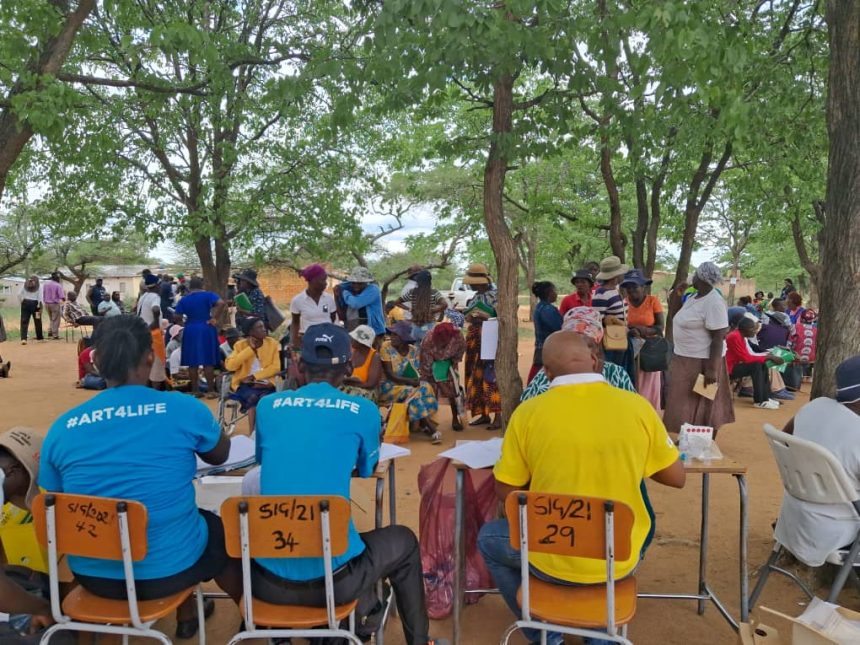
This year, Zimbabwe Commemorates World AIDS Day in Umzingwane. Matabeleland South Province is grappling with the nation’s highest HIV prevalence rate standing at a concerning 15%, will host the national World AIDS Day commemorations in Umzingwane District. This choice highlights the urgent need for intensified, targeted interventions in a district and province bearing the brunt of the epidemic. The commemorations, held under the global theme “Overcoming Disruptions, Transforming the AIDS Response,” call for a renewed focus on local transmission dynamics, healthcare access barriers, and the socio-economic drivers—particularly cross-border migration and spousal separation—that fuel the persistent crisis.
Data from the National AIDS Council (NAC) estimates that out of the province’s 760,000 residents, approximately 93,000 individuals are living with HIV.
Matabeleland South Province is grappling with the nation’s highest HIV prevalence rate, standing at a concerning 15%, significantly surpassing the national average of 9.8%. Data from the National AIDS Council (NAC) estimates that out of the province’s 760,000 residents, approximately 93,000 individuals could be living with HIV.
This alarming statistic signals a persistent epidemic pattern, prompting an urgent call for intensified, targeted interventions, according to Mr Mgcini Sibanda, Matabeleland South Provincial Manager for NAC.
The districts in Matabeleland South are exceeding the national benchmark.
The high prevalence is not isolated, with all seven districts in Matabeleland South registering rates substantially above the national average.
Mr Sibanda emphasized that this pattern highlights the need for province-specific strategies addressing local transmission dynamics, healthcare access barriers, and social determinants.
KEY CONCERN: Adolescent Girls and Young Women (AGYW)
facs the brunt of new HIV infections.The major concern is the high HIV incidence and prevalence rates concentrated among Adolescent Girls and Young Women (AGYW) aged 15 to 24.
GENDER DISPARITY: Female HIV incidence rates are consistently higher than male rates across all districts.
HIGHEST INCIDENCE: Bulilima records the highest female incidence rate at 0.38.
VULNERABILITY FOCUS: Incidence is particularly high among girls aged 15 to 19, followed by those aged 20 to 24.
”The female HIV incidence rates are generally higher than male rates across all districts, with Bulilima recording the highest at 0.38. This calls for targeted interventions for women,” said Mr Sibanda.
THE SILENT DRIVER: Cross-Border Migration and Spousal Separation
A unique and potent factor driving HIV transmission in Matabeleland South, which lies in the south-western part of Zimbabwe, is the extensive cross-border migration of men for work. The majority of males in the province seek employment in neighbouring countries like Botswana, Namibia, or South Africa, leaving women and children behind to head households.
While specific official statistics detailing the extent of absent spouses are scarce, the impact is evident at the community level. In my random survey of 26 females conducted in the province, 21 reported heading families with their husbands working in the three neighbouring countries. This separation often lasts for months, with some couples, particularly those whose spouses work in Namibia, only reuniting briefly around Christmas.
This prolonged physical separation creates a significant sexual void and increases the vulnerability of both partners to acquiring and transmitting HIV.
The Lived Reality of Separation and Mistrust
The emotional and health consequences of this separation are deeply felt by the women left behind. Two young mothers from Somulodi, Gwanda, shared harrowing experiences, highlighting the cycle of infection, mistrust, and domestic conflict fueled by distance.
One 27-year-old mother, tears welling in her eyes, described her terrifying ordeal: “For the past three years, I have acquired syphilis. However, my husband accused me of being a prostitute in his absence. And last year expecting my third child, I tested HIV positive during antenatal clinic.”
Her story illustrates how the perceived “happy reunion” of migrating partners often carries the hidden risk of STIs and HIV, leading to devastating health outcomes and the destruction of trust.
Another youthful mother, speaking on condition of anonymity, lamented the lack of support and the surveillance she faces in her husband’s absence. Living with a “controlling” mother-in-law, she faces constant accusations fueled by falsehoods relayed to her husband abroad.
”It’s not healthy to be monitored every time I go to Church, or to school for parents day. Talking to any male is deemed being promiscuous. Our communication is very bad. He is always blaming me for things I have never done,” she stated.
Her final, poignant remark underscores a critical social determinant of health and wellbeing: “I envy those with husbands around, farming with their wives. Money is not everything.” This reliance on financial remittances from absent husbands creates economic stability but often comes at the severe cost of emotional health, marital trust, and increased HIV risk.
INTERCONNECTED DRIVERS OF RISK
Beyond migration, the elevated HIV risk among AGYW is fueled by a combination of interconnected social and economic factors discussed by Mr Sibanda.
“Cultural Practices: Early and forced marriages and societal norms that undermine consent and sexual autonomy increase vulnerability. “Research indicates young women often feel pressured to comply with sexual relationships, reinforced by traditional beliefs and social pressures, diminishing their ability to refuse sex and negotiate safer practices,” he said.
ECONOMIC DEPENDENCE: Reliance on male partners for financial support, or basic necessities—particularly in contexts like artisanal mining or cross-border migration—leads to transactional sex, significantly increasing exposure to HIV.
The rise in new HIV infections is concentrated among key populations, including female sex workers, men who have sex with men, and other vulnerable groups, with AGYW disproportionately affected. Incidence is particularly high among girls aged 15 to 19, followed by those aged 20 to 24, emphasizing the need for gender-targeted prevention and interventions.
“Persistent high rates in specific districts underscore the importance of localised responses. Addressing these risks requires a multi-sectoral strategy combining HIV prevention with economic empowerment, education, and community-based interventions to strengthen the autonomy and resilience of young women,”
INTERVENTIONS
“Effective interventions are underway, but key challenges persist: Interventions to Reduce HIV Risk. “Gender-transformative education initiatives like “Not In My Village” engage traditional gatekeepers, Chiefs and Headmen to address harmful practices and behaviours perpetuated by men in the communities.
Partnerships with government ministries, Social Welfare, Women’s Affairs, enhance social support for high-risk young girls,” he stated.
CHALLENGES:
“Viral suppression remains a challenge, especially among adolescents. Factors include stigma, caregiver dependency, and difficulties accessing health services. Adolescents in boarding schools or those lacking consistent supervision often struggle to take medication as prescribed,” he said.
Communication becomes constrained as couples live separately.
“Addressing these challenges—particularly integrating the realities of migration, mistrust, and spousal separation into HIV programming—is critical to ensure sustained HIV control and better health outcomes for the province’s young people and families,” Mgcini said.
The fact that national ART coverage for all ages is at 98.4% shows incredible success in treatment access, but the high incidence rates mean that new infections are still outpacing full epidemic control.
● Feedback: [email protected]





Great delivery. Sounbd arguments. Keeep uup tthe great effort.
xnxx