


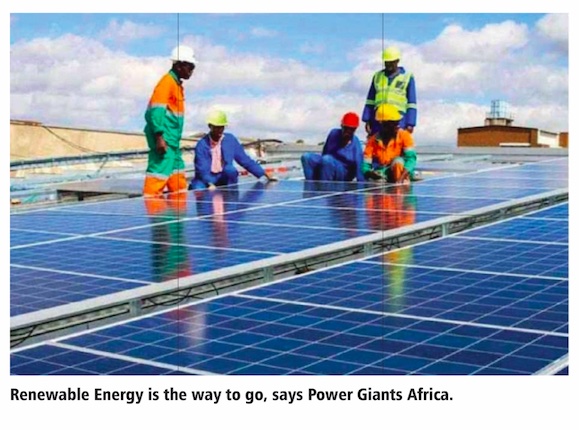
…sustainable energy future for the SADC region
CATHERINE MUROMBEDZI
CORRESPONDENT
The Zambezi River, a lifeblood of Southern Africa, is facing an unprecedented crisis. Prolonged droughts, exacerbated by the El Niño weather phenomenon, have led to drastically low water levels in Lake Kariba, the reservoir for the Kariba Hydro Power Station. This shared power station between Zimbabwe and Zambia has been a cornerstone of electricity generation in the region. However, the dwindling water levels have severely impacted power generation, forcing both countries to implement load shedding and confront the harsh realities of energy insecurity.

The situation is dire, with water levels at Lake Kariba plummeting to critically low levels. As of 13 October, 2025, the Zambezi water levels are a mixed picture: Lake Kariba’s water level is rising but still lower than last year, while the flow at Victoria Falls is relatively calm and stable for now. The Zambezi River Authority reported the Kariba Lake level as 475.87 meters as of September 8, 2025, which is an increase from earlier in the year but down from 2024 levels.
This represents a usable live storage volume of 13.88 billion cubic meters or 21.43% of capacity for power generation. (Zambezi River Authority). This is a stark contrast to the previous year’s crisis, which saw generation capacity drastically reduced due to low water allocation.
The energy crisis implications are far-reaching. Reduced power generation has led to frequent power outages, affecting industries, businesses, and households.
The energy crisis is expected to have a significant impact on the economies of both Zimbabwe and Zambia, with potential losses in productivity, revenue, and economic growth.
The power outages are also having a humanitarian impact, affecting access to basic services like healthcare, education, and sanitation.

As the situation continues to unfold, it is clear that the region needs to explore alternative energy sources to mitigate the risks associated with hydro power generation. The question is, what can be done to address this crisis and ensure a sustainable energy future for Zimbabwe, Zambia, and the wider region?
A local energy expert, with a passion on investing on renewable sources, Dr Eng Edzai Kachirekwa, Chief Executive Officer – Power Giants Group, said its business unusual. Its time to think outside the box. With several options to generate power, there is excess energy that remains untapped. All that needs to be done is to make use of these power sources.
“Energy is the lifeline of development. Without it, industries grind to a halt, communities remain in darkness, and economies stagnate. With it, nations thrive, jobs are created, and prosperity is shared. In Southern Africa, the conversation about power is no longer just about access, it is about sustainability, reliability, and growth beyond borders,” said Engineer, Dr Edzai Kachirekwa, the director of Power Giants.

His vision for power supply in the SADC region is to have uninterrupted sustainable Power supply.
It is possible for each member state to produce enough energy to meet its Power needs. He said, a possibility of excess energy will result in selling.
“My vision for SADC is clear: a region where every member state produces enough electricity to meet its domestic needs, and where excess power is exported across borders to fuel industries, support integration, and create wealth. We must shift from being power-deficit countries to becoming power-exporting nations. This vision is not a dream. It is achievable if we diversify generation portfolios beyond reliance on single sources. This is possible if we modernise transmission and distribution infrastructure, and strengthen the Southern African Power Pool (SAPP) as a trading platform for regional stability and growth,” he informed.
Speaking on the power of regional energy solutions, he said all that was needed was to unlock the grid.
“Excess capacity, when achieved, will not just provide energy security, it will become a regional export commodity, as valuable as minerals and agricultural produce. To generate enough electricity, countries must unlock a mix of firm generation and smart renewables. While renewables like solar and wind are abundant, they must be paired with storage technologies to provide consistency. Alongside this, we must embrace natural gas, biomass, geothermal, and modernised thermal plants as stabilisers,” Dr Eng Kachirekwa said.
“To date, more than 80 Independent Power Producers (IPPs) have been licensed, most in the solar energy space. Equally important, is to encourage industrial self-generation, allowing mines, water utilities, and industrial zones to generate their own clean energy, freeing national grids to serve households and small businesses. Policy frameworks and bankable Power Purchase Agreements (PPAs) are key to attracting investors who can make this vision a reality,” he urged.
He talked of reliance on hydropower in the face of climate change
“Hydropower has been the backbone of Southern Africa’s power for decades. But with prolonged dry seasons and climate variability, its future demands innovation. If dry spells persist, hydropower must evolve from being our sole base load to becoming a flexible, peak-supporting source,” said Dr Eng Kachirekwa.
He elaborated the need to diversify.
“We can achieve this by: upgrading turbines for efficiency, diversifying reservoirs with floating solar to minimise evaporation and maximise output,
We need to strengthen catchment management, and integrating hydro with solar and wind in hybrid systems.
Hydropower will remain relevant, but it must become smarter, adaptive, and resilient,” he said.
Dr Eng Kachirekwa bemoaned the influx of sub-standard materials in renewables sector.
“One of the greatest setbacks in our renewable energy market has been the influx of sub-standard equipment and poorly executed installations. This has led to failed systems, wasted investments, and a decline in consumer confidence. To overcome this, we must
enforce strict standards and certifications for equipment. We must only license and regulate installers through professional boards which will ensure that all projects carry warranties and performance guarantees. Above all, we must educate consumers to choose value and reliability over low prices,” he called out.
He said renewable energy must not be seen as cheap and unreliable. It must be seen as bankable, durable, and transformative.
“At Power Giants Group, we uphold these principles. From high-voltage power lines and substations, to transformers, solar farms, and smart-grid solutions, our commitment is to deliver projects that stand the test of time, empower communities, and create confidence for investors. Quality is not optional, it is the very foundation of sustainable energy development,” Dr Eng Kachirekwa stated.
He urged the nation to think ahead, nothing should lie idle.
“We have many former thermal power stations which are unused. Munyati Power Station, Harare and many more lie idle. These stations could be converted into modern nuclear plants. The demand for electricity is increasing faster than previously anticipated and is set to grow by 75% up to 2050,” said the energy expert.
He echoed his final statement.
“My final words to Zimbabwe and the region at large: The Power To Develop Is In Our Hands. It Is Now. The future will not wait for us. The demand is rising, the opportunities are immense, and the risks of inaction are costly. SADC must act now, investing boldly in reliable generation, climate-resilient technologies, and quality-driven renewable systems,” concluded the energy expert.
The power to develop is no longer tomorrow’s challenge. It is today’s responsibility. If we seize it, SADC will not only light up its homes and industries, it will light up its future.
● Feedback: [email protected]

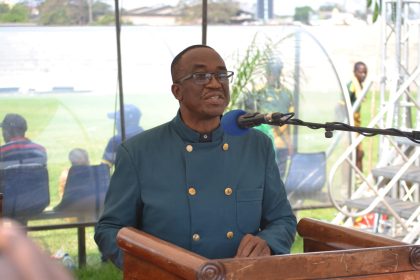
Brief on Dr. Eng. Edzai Kachirekwa. A renowned energy expert and Chief Executive Officer of Power Giants Group. With a strong background in engineering and a passion for sustainable energy solutions. He has been at the forefront of promoting innovative approaches to energy development in Southern Africa. His vision for a sustainable energy future is centered on diversifying energy sources, modernizing infrastructure, and promoting regional cooperation to ensure energy security and support economic growth. Through his leadership, Power Giants Group has become a key player in the region’s energy sector, driving projects that empower communities and create opportunities for economic development.




stiwfi
5l8agd
c5imgy
hwj1d0
emwef1
1we6t3
6gkpu1
hlikph
ege31c
fb4anz
02e0v8
l4ufvq
ek1hos
53e4yn
w9kn3g
k900lv
Thanks for this post. You shared amazing article with us. I am sure that people definitely like your article.
tg3mna
kusy7q
p92yyh
References:
Chef de cuisine http://http://www.google.com.ai/url?q=https://soundingames.dei.uc.pt/api.php?action=https://de.trustpilot.com/review/owowear.de/url?q=https://soundingames.dei.uc.pt/api.php?action=https://de.trustpilot.com/review/owowear.de
I think that is one of the such a lot important information for me.
And i’m happy reading your article. But wanna
commentary on few normal things, The web site taste
is great, the articles is actually nice : D. Excellent
job, cheers xnxx