Tony Phiri
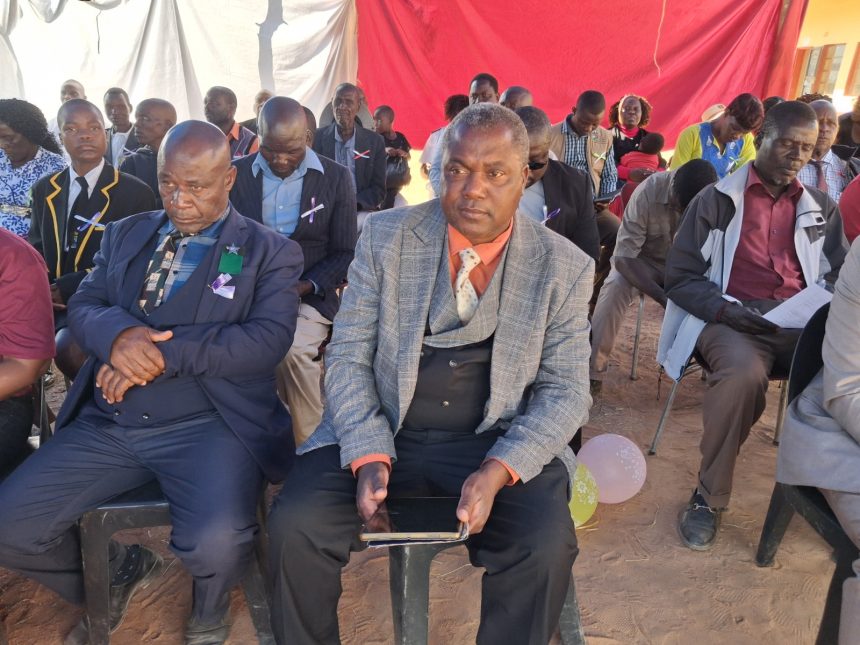
BIKITA – More than 1,200 people converged at Mukore High School in Bikita District on 24 July 2026 for the Good Seed and Food Festival, an event that celebrated indigenous seeds, traditional foods and youth participation in sustainable agriculture under the theme “Honouring Our Diversity: Indigenous Seed and Food Systems.”
The festival, which builds on SCOPE Zimbabwe’s Seeding Local Cultures (SLC) Project, highlighted the growing role of schools in preserving indigenous knowledge and strengthening food sovereignty. The SLC Project is funded by the Government of the Netherlands and the Agroecology Fund (AEF) and promotes agroecology, nutrition education, climate resilience and indigenous seed conservation through Zimbabwe’s Heritage-Based Curriculum.
The event was organised under the Zimbabwe Seed Sovereignty Programme (ZSSP), coordinated by PELUM Zimbabwe with support from the Alliance for Food Sovereignty in Africa (AFSA), and implemented in partnership with SCOPE Zimbabwe and BIZ. It also celebrated PELUM Zimbabwe’s 2026 Crop of the Year – Nyemba (Cowpeas).
Traditional leaders, government departments, development partners, farmers, teachers, learners and community members attended the festival, while learners from Mukore High School, Mazungunye High School, Mazungunye Primary School, Duma Primary School, Ngondyore Primary School, Chirumba High School and Gwindingwi High School showcased indigenous seed varieties, traditional foods, seed exchanges, poetry, drama, cultural performances and the “My Food Is African” live cooking competition.
Welcoming delegates, Mukore High School Headmaster Svikayi Tengerayi said hosting the festival was an opportunity to inspire young people to value indigenous knowledge and sustainable agriculture.
“It is an honour for Mukore High School to host this important festival. By bringing together learners, farmers, educators and partners, we are creating an environment where indigenous knowledge is celebrated and young people are inspired to become champions of sustainable agriculture and food systems,” he said.
Representing SCOPE Zimbabwe, Monitoring and Evaluation Officer Panashe Kasu said school gardens had become important centres for practical learning.
“Our school gardens are more than food production sites—they are classrooms where learners connect culture, agriculture, nutrition and environmental stewardship. Through agroecology, we are nurturing a generation that values indigenous knowledge while building resilient communities,” he said.
PELUM Zimbabwe Country Coordinator Theophilus Mudzindiko said young people were central to building resilient food systems.
“The future of our food systems is being shaped today, in our schools, in our communities and through the knowledge we pass on to the next generation,” he said.
Mudzindiko also commended SCOPE Zimbabwe’s work with schools for promoting safe, nutritious and culturally appropriate diets among young people.
Local farmer and exhibitor Anna Gana said the festival had motivated communities to organise similar exhibitions to showcase indigenous crops and traditional knowledge.
“The exhibitions have inspired us. We have seen the value of showcasing our own indigenous crops and knowledge. We look forward to hosting similar displays in our communities next season,” she said.
Beyond celebrating indigenous crops, the festival also highlighted opportunities for value addition of Rosella and Non-Timber Forest Products (NTFPs) such as Hacha and Marula, creating prospects for youth entrepreneurship and improved rural livelihoods.
Organisers said the festival demonstrated how collaboration among schools, communities, traditional leaders, government institutions and development partners can strengthen food sovereignty, conserve biodiversity and build resilience to climate change while empowering the next generation of agroecology champions.
Bikita Festival Champions Indigenous Seeds and Youth in Sustainable Agriculture