Part Two: Thirty years ago, a peanut paste changed how the world treats severe malnutrition. Today in Zimbabwe, it’s still keeping thousands of children alive at home, not in hospital wards.
UNICEF’s message on this anniversary is direct: no child should die from preventable malnutrition. This requires continued innovation in nutrition products, sustained political commitment from government and increased investment from donors and the private sector.
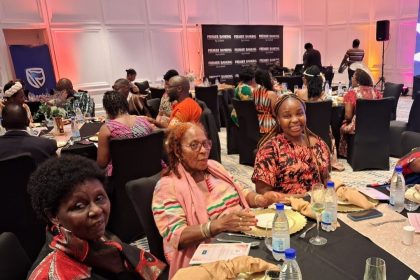
In a world where millions of children still face the scourge of malnutrition, the 30th global anniversary of Ready-to-Use Therapeutic Food (RUTF) marks a significant milestone in the fight against child undernutrition. As Zimbabwe joined the commemorations on 5 May, it is crucial to reflect on the strides made and the challenges that lie ahead in eradicating malnutrition.
Understanding Child Malnutrition
Malnutrition is not just about hunger. It occurs when children do not receive the right balance of nutrients for growth, development and immunity. It manifests in two broad forms. Undernutrition includes wasting — being dangerously thin for height, stunting—being too short for age, and underweight—being too light for age. At the same time, micronutrient deficiencies silently rob children of iron, vitamin A and zinc, affecting brain development and immunity.
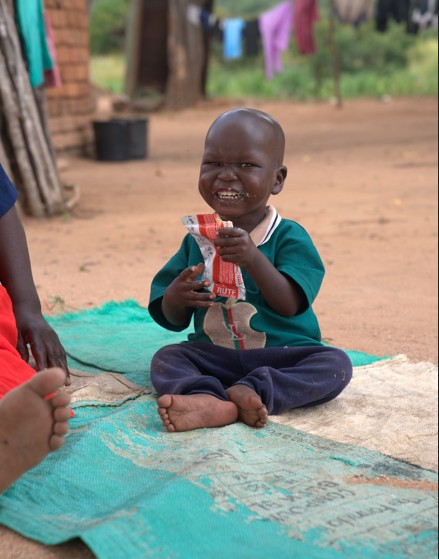
RUTF is complement food for proper growth of a child. Picture by John Mokwetsi, UNICEF
On the other end of the spectrum is overweight and obesity, often caused by diets high in fat, salt and sugar. This double burden is now visible in Zimbabwe, where undernutrition persists while overweight rises.
The consequences are severe and lifelong. Malnutrition weakens a child’s immune system, making them more vulnerable to diarrhoea, pneumonia, and malaria — three of the leading causes of child mortality. Even moderate malnutrition increases the risk of death, while severe acute malnutrition can be fatal within weeks without treatment. Beyond survival, stunting impairs cognitive development, reducing a child’s learning capacity and future earning potential by up to 20 percent.
The Root Causes of Malnutrition
Zimbabwe’s malnutrition crisis is rooted in a complex web of economic, environmental and social factors. Recurrent droughts linked to climate change have eroded agricultural productivity, leaving households food insecure for months at a time. Economic instability has reduced household purchasing power, limiting access to diverse and nutritious diets. For many families, a meal now means maize and salt, with little protein, fruit, or vegetables.
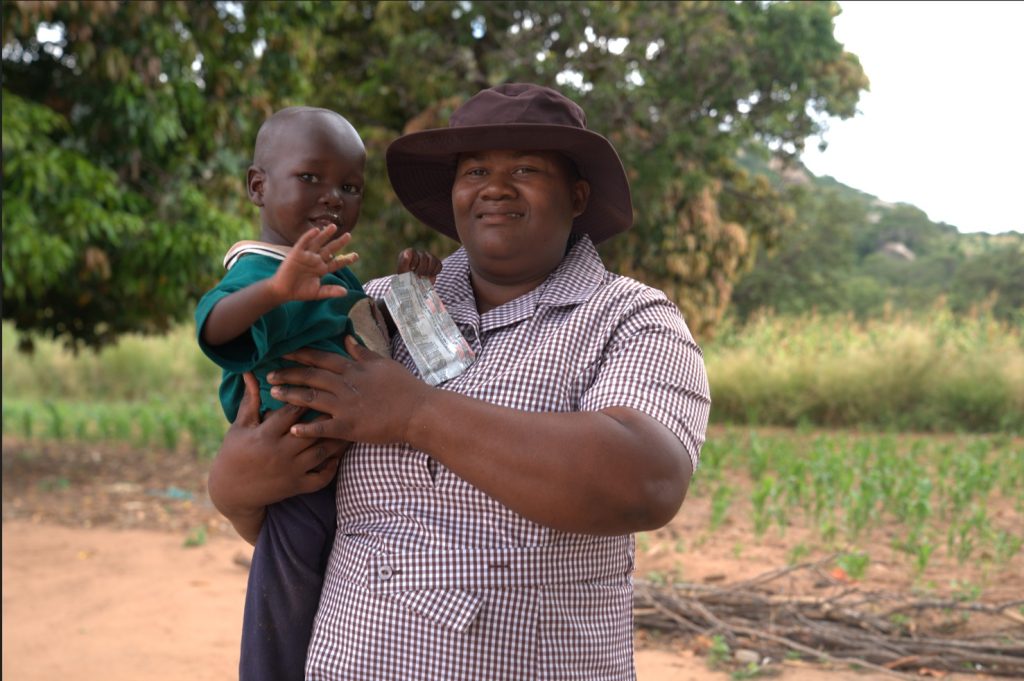
The village health workers bridging the gap. Picture by UNICEFZimbabwe/2026/Tigzozo Media
Infant and young child feeding practices also play a role. Many mothers lack knowledge or resources for exclusive breastfeeding in the first six months or for introducing nutrient-rich complementary foods after that.
Poor access to healthcare means childhood illnesses like diarrhoea go untreated, causing rapid weight loss and nutrient depletion.
Water, sanitation and hygiene challenges compound the problem. Without safe water, children face repeated infections that prevent nutrient absorption. The rise of ultra-processed foods in urban and peri-urban areas adds another layer of risk.
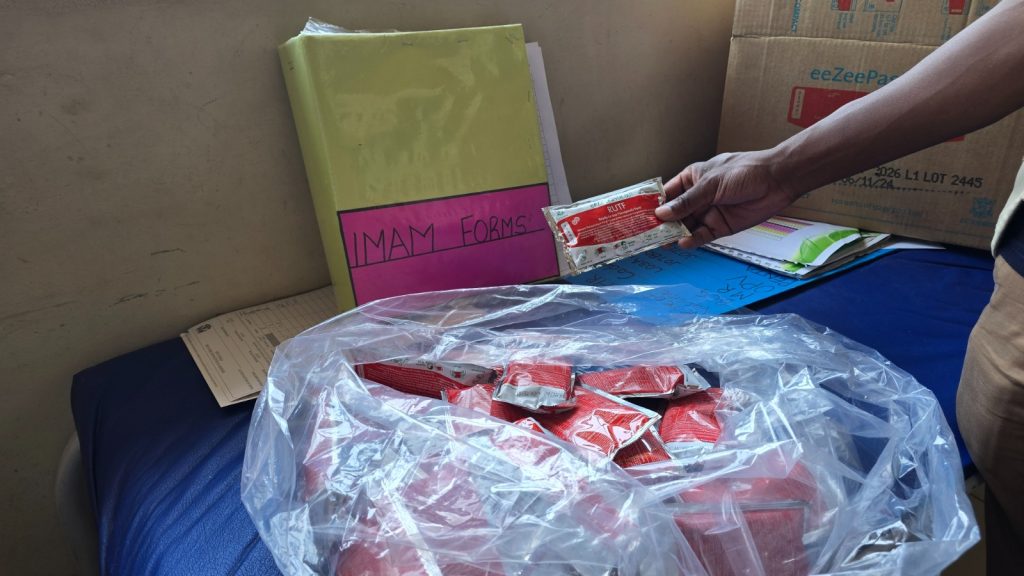
All the health needs for proper growth packed in a sachet. Picture by UNICEFZimbabwe/2026/John Mokwetsi
According to the Zimbabwe National Statistics Agency, (ZIMSTAT) 2022 Multiple Indicator Cluster Survey, 6.1 percent of children under five are overweight, a figure that has been climbing steadily over the past decade.
Currently, 23.8 percent of children under five are stunted, meaning nearly one in four children is not growing to their full physical and mental potential. Pregnant women and breastfeeding mothers are also at risk, as poor maternal nutrition passes malnutrition to the next generation.
RUTF: A Game Changer
When RUTF was introduced globally in the mid-1990s, it transformed how severe acute malnutrition was treated. Before that, children needed hospital admission for therapeutic milk, antibiotics and intensive monitoring. For families living hours from the nearest clinic, that was impossible. Many children died before reaching care.
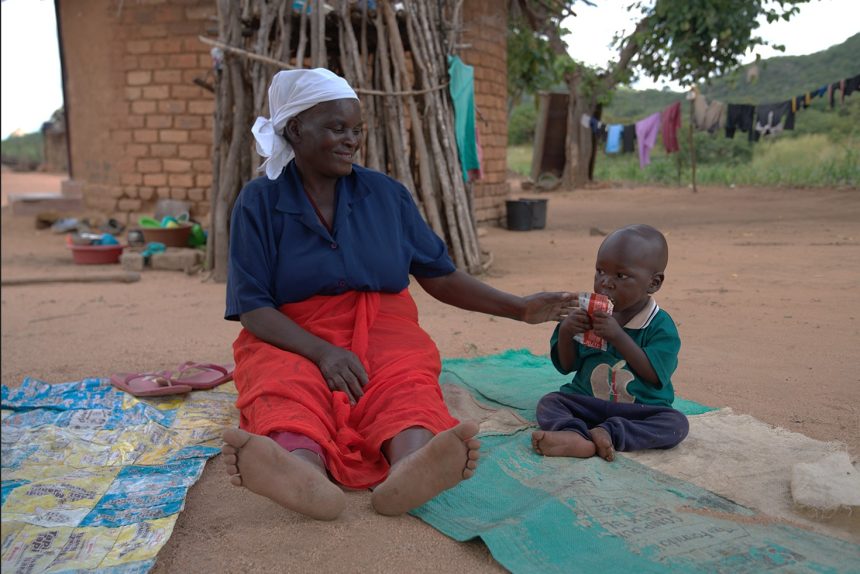
RUTF changed the equation. This peanut-based, energy-dense paste is fortified with essential vitamins and minerals. It requires no refrigeration, no water and no cooking. A caregiver can administer it at home with minimal supervision from a health worker. Children receive weekly check-ups and sachets of RUTF until they recover.
In Zimbabwe, RUTF was introduced in 2008 as part of the Community Management of Acute Malnutrition (CMAM) programme, rolled out by the Ministry of Health and Child Welfare with UNICEF support. The model shifts treatment from hospitals to community health centres and rural clinics, bringing care closer to where children live.
The impact has been profound. Since 2008, thousands of children with severe acute malnutrition have been treated successfully through outpatient care. Families remain together during recovery, reducing emotional and financial strain. Health systems are no longer overwhelmed, as only the most critical cases require hospital admission.
Today, CMAM has achieved 100 percent geographic coverage across Zimbabwe’s 63 districts. RUTF is now included on the country’s Essential Medicines List, reflecting strong government ownership and ensuring it is procured and distributed through the public health system. More than 200,000 sachets of RUTF are procured annually to meet national needs.
UNICEF’s Pivotal Role
UNICEF has been at the forefront of scaling RUTF programming globally and Zimbabwe is no exception. The agency provides technical and financial support across five key areas:
Policies: UNICEF works with the Ministry of Health and Child Care to develop national guidelines for RUTF use, ensuring treatment follows WHO protocols and is integrated into routine health services.
Supplies: UNICEF is the world’s largest procurer of RUTF, purchasing up to 80 percent of global demand. In Zimbabwe, UNICEF currently funds 100 percent of the national RUTF supply, ensuring no stockouts in clinics.
Innovation: To reduce reliance on imported ingredients, UNICEF is pioneering new RUTF formulations using locally available legumes like chickpeas and soy. This not only cuts costs but also strengthens local production capacity and supports Zimbabwean agriculture.
Implementation: UNICEF trains health workers on screening, diagnosis and treatment protocols. It also strengthens supply chains so that RUTF reaches the most remote clinics, often delivered alongside vaccines and essential medicines.
Quality assurance: Through regular monitoring and data collection, UNICEF ensures RUTF meets safety and nutrition standards and that treatment outcomes are tracked at community level.
Beyond treatment, UNICEF is also investing in prevention. The agency supports nutrition education for mothers, promotes exclusive breastfeeding, and works with communities to improve dietary diversity through kitchen gardens and nutrition-sensitive agriculture.
The Broader Nutrition Landscape
While RUTF addresses severe acute malnutrition, UNICEF’s work in Zimbabwe extends across the entire nutrition spectrum. The agency supports the government’s National Nutrition Strategy 2018–2025, which aims to reduce stunting to 20 percent by 2025.
UNICEF also coordinates the Scaling Up Nutrition (SUN) Movement in Zimbabwe, bringing together government, civil society, and private sector actors to align nutrition efforts. Through the Health Resilience Fund, UNICEF supports nutrition services in 24 priority districts with the highest burden of malnutrition.
The COVID-19 pandemic exposed how fragile nutrition gains can be. Lockdowns disrupted food supply chains and reduced access to health services, leading to a spike in malnutrition cases in 2020 and 2021. RUTF became even more critical during this period, as community-based care allowed treatment to continue when hospitals were overwhelmed.
A Call to Action
As we celebrate 30 years of RUTF, the gains are clear. Millions of children worldwide have survived severe acute malnutrition because of this simple innovation. In Zimbabwe, the shift to community-based care has saved countless lives and kept families intact.
But the work is far from over. Sustainable funding remains the biggest challenge. Currently, Zimbabwe relies almost entirely on donor support for RUTF procurement. To ensure long-term sustainability, UNICEF is working with the Ministry of Health and Child Care to advocate for a national budget line for RUTF, matched by donor contributions. This would guarantee a steady supply even during funding shortfalls.
UNICEF’s message on this anniversary is direct: no child should die from preventable malnutrition. That requires continued innovation in nutrition products, sustained political commitment from government and increased investment from donors and the private sector.
The 30th anniversary of RUTF is not just a celebration of past achievements. It’s a reminder that with the right tools, political will, and community involvement, we can break the cycle of malnutrition. For the thousands of Zimbabwean children recovering at home with a sachet of RUTF in hand, that future is already taking shape.
With collective action and unwavering dedication, a Zimbabwe where every child has the chance to grow up healthy, strong, and well-nourished is within reach.
● Feedback: [email protected]