(In this Three-part series, we celebrate the unsung heroines of Zimbabwe’s medical sector)
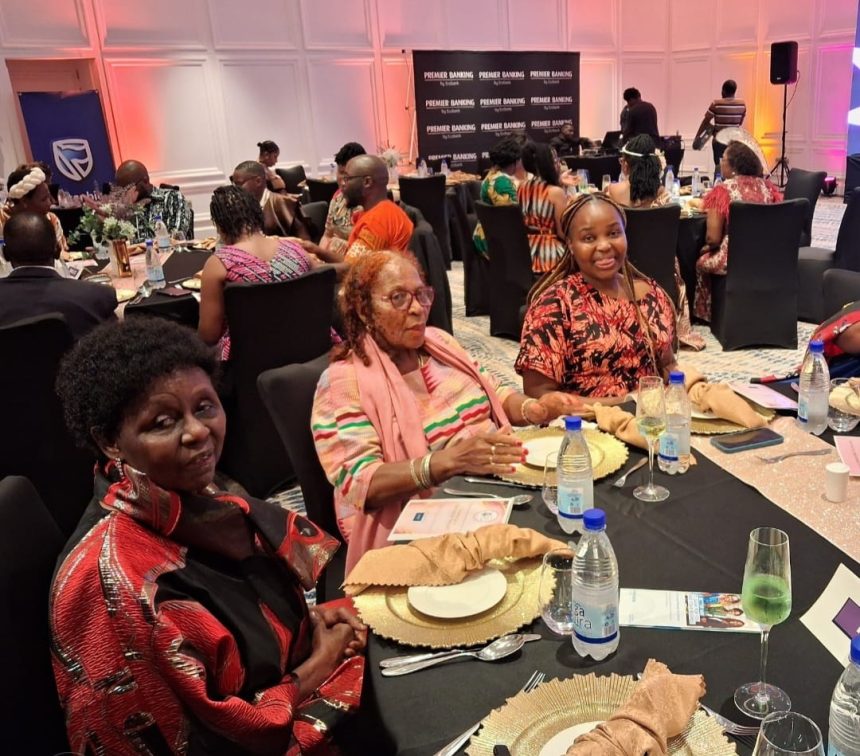
Harare’s evening air held a rare, calm stillness as women doctors walked through the doors of a five star hotel. It was a sharp contrast to the sterile, high-stakes hum of the city’s hospital wards. Inside the hall, the scene had changed. The white dustcoats were gone. The stethoscopes that usually hang like weights around tired necks had been traded for beautiful African attires, glitz, glamour and music.
The Zimbabwe Women Doctors Association (ZWDA) gathered for a Dinner and Awards night. Since its birth in 2019, this network has grown from a small sisterhood into a pillar of the nation’s resilient healthcare. This was their night. It was a celebration of brilliance, endurance, and the quiet, fierce power of women who heal.
Beyond the prescription,there is a specific kind of exhaustion that comes with the medical field. It is the weight of constant decisions, the rhythm of the “jabs,” and the endless ink of the prescription pad. But on this night, that weight vanished.
It was heartwarming to see the transformation. These women, usually seen in the blurring rush of an emergency room, now moved with a different grace. They traded the clinical for the rhythmic. They traded the smell of antiseptic for the scent of fine perfume.
Music filled the room, and the doctors followed it. It was a serene sight, fun, to see faces usually set in lines of concentration suddenly break into wide, easy smiles. They danced. They laughed. Far from the sterile white lights of the clinic, they found a different kind of medicine in the music and the company of peers. The ambience was one of profound togetherness. Here, the hierarchy of the clinic disappeared. Junior residents stood shoulder-to-shoulder with titans of the industry, sharing stories that only those who have held a life in their hands can truly understand.
I found myself swept up in this current of excellence. At one point, the lines between observer and subject blurred. I was dressed for the occasion, and the atmosphere was so thick with medical expertise that it seemed to rub off on everyone present.
”So, you are Dr. Catherine Murombedzi?” asked Dr Madeline Nyamwanza Makonese.
I laughed. It was a small, sheepish acknowledgment of the high honour tucked within her mistake.
”No, Chiremba,” I replied. “I am a health science journalist. I am here by your kind invitation.”
It was a fitting introduction to the woman who would become the heartbeat of the evening. Dr Nyamwanza Makonese was there to receive the Lifetime Dedication Award. To present the honour, Dr Sakala, President of the Southern and Eastern African Women Doctors, had flown all the way from Zambia. Her presence underscored the regional importance of what the ZWDA has built.
Dr Joyce Sakala took to the podium. She was the Guest of Honour.
Dr Sakala is the Vice President Near East And Africa for Medical Women International and Medical Women Association of Zambia. She had the grace of someone who had just stepped off a long flight but refused to look tired. Her words were a rallying cry. ”It is an honour to stand among such excellence,” Dr Sakala began.
“To the nominees and the guests: you are all winners. We know that being a woman in this field is an uphill climb. I am a mother of four. I am a doctor, a caregiver, a wife, and an aunt. I am under forty, and balancing these identities is a daily act of courage. Our network is our sanctuary. We are sisters who lean on one another.”
She spoke of the international reach of their work. She recalled an October summit in Egypt where Dr Nyamwanza Makonese had been recognised on a continental stage. Dr Sakala’s tribute was personal. She noted how the ZWDA President, Dr Virginia Masunda, had personally collected her from the airport in the pre-dawn hours.
”This ceremony,” she concluded, “is a testament to the unsung labour we perform every day.”
The map of the Zimbabwean Women in the medical sector had a beginning.
The spotlight returned to Dr Nyamwanza Makonese. Her story is a milestone of Zimbabwean history. It began at St Augustine’s Mission in Penhalonga. It wound through the halls of Goromonzi High School. It led to the University of Rhodesia, which was then affiliated with Birmingham University in the United Kingdom. In 1970, she earned her medical degree.
She has practiced medicine for fifty-three years. In 1978, she moved into private practice. Though technically retired, she rejects the idea of a quiet, idle life. She practices what she calls “half and half”, working mornings to keep her mind sharp and her hands useful.
”Once a doctor, always a doctor,” she said with a soft, elegant smile.
“A fully retired life is not for me. I still enjoy the days.”
Her personal life mirrored the stability of her professional one. She has been married for fifty-three years, the same length of time she has given to humanity.
”I have six pleasant grandchildren,” she shared.
“And one of my young girls in the Nyamwanza clan is here tonight. She is in her fifth year of medical studies.”
Beside Dr Nyamwanza Makonese sat Whitney Nyamwanza. She is the next link in the family’s medical chain. Whitney watched her aunt with a mix of reverence and determination.
”Growing up, I admired my aunt’s strength,” Whitney said.
“I vowed to follow her path. I am now in my fifth year at the University of Zimbabwe. I want to specialise, perhaps in general surgery. I listened to God, and He set my mind on this path when I was young.”
However, the reality of clinical rotation is opening new doors.
“I am learning about so many specialities now. I am also considering paediatrics because I love children. As I traverse the field, my heart will eventually settle.”
As the night drew to a close, the image of the two women, the pioneer and the student, remained the most poignant.
It was a visual representation of the ZWDA’s ultimate goal: ensuring that the excellence of the past becomes the foundation for the future.
In Harare, under the glow of the ballroom lights and the echo of the music, the pulse of Zimbabwean medicine felt stronger than ever.
Feedback: [email protected]