HARARE – Across Africa, 2025 has produced sharply divergent democratic trajectories. While some countries have consolidated gains made during the 2024-2025 electoral super cycle, others, most notably Zimbabwe, continue to experience democratic contraction marked by repression rather than reform.
Countries such as Botswana, Ghana, Senegal, and Malawi offer a contrasting picture. In Malawi, the 2025 elections were widely assessed as peaceful and credible, leading to a smooth transfer of power and reinforcing public confidence in electoral institutions.
In Ghana and Senegal, competitive elections, judicial independence, and relative media freedom have allowed opposition parties to operate without systematic state obstruction. Even where tensions exist, state institutions have largely acted as referees rather than political enforcers.
Zimbabwe’s democratic regression in 2025 is best understood through a clear chronological lens. The trajectory began with the disputed August 2023 harmonised election administered by the Zimbabwe Electoral Commission.
Throughout 2025, by-elections exposed a widening pattern of repression. In Harare, Bulawayo and parts of Mashonaland, opposition candidates were repeatedly blocked from holding rallies after police invoked Section 27 of the Maintenance of Peace and Order Act.
During the same period, events organised by the ruling ZANU-PF proceeded freely, often under police protection. Opposition supporters were arrested for wearing party regalia, while ruling party activists campaigned openly without interference, reinforcing perceptions of selective policing.
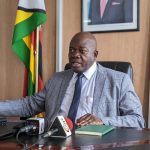
Activist Masaraure who is the National President of the Amalgamated Rural Teachers Union of Zimbabwe (ARTUZ) said the democratic space in Zimbabwe continues to shrink as State consistently deploy lawfare and violence to rob citizens of their Fundamental freedoms.
“The constitution has been shredded and the courts are deployed to deny citizens bail. Zvigananda who are benefitting from state tenders have also commodified political participation completely denying the poor a political voice.” said Masaraure.
The situation worsened throughout 2025. Media freedom deteriorated sharply as journalists investigating corruption, election manipulation and cross-border voting allegations were arrested, assaulted or summoned by police on charges such as “publishing falsehoods prejudicial to the state.”
The Media Institute of Southern Africa Zimbabwe recorded six serious press freedom violations during the year. On 6 September 2025, Nyasha Mariga, chief photographer at an independent publication, was assaulted by police while covering a standoff involving unregistered taxi drivers, prompting condemnation from MISA Zimbabwe and the Zimbabwe Union of Journalists.
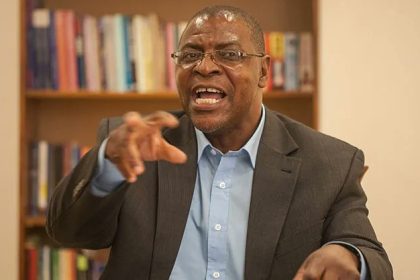
Zimbabwean social justice advocate, and journalist, Tendai Reuben Mbofana said, 2025 proved that being a journalist in Zimbabwe is now a high-risk profession. The 72-day detention of Blessed Mhlanga, arrested in February simply for giving a platform to Blessed Geza, was a clear attempt to dictate who the media can and cannot interview.
This was followed by the July arrest of Faith Zaba, editor of the Zimbabwe Independent, over a satirical column. When the State begins to jail editors for satire and broadcast journalists for interviews, it is no longer just ‘shrinking’ the space—it is dismantling the very foundation of an informed public.
Civil society also came under intensified pressure in 2025 through the continued application of the Private Voluntary Organisations Amendment Act. Organisations involved in voter education and governance were subjected to surveillance and demands to submit donor agreements and internal records.
In October 2025, the offices of Sapes Trust in Harare were reportedly bombed in a suspected arson attack, hours before a scheduled opposition press conference. 2025 was the year the legal and security architecture of Zimbabwe was formally reconfigured to suppress dissent.
“We saw a transition from sporadic intimidation to a systematic, law-based enclosure of the democratic space. The most devastating blow to democracy in 2025 was the enactment of the Private Voluntary Organisations (PVO) Amendment Act, signed into law on April 11, 2025. This legislation has effectively criminalized the traditional role of civil society. By granting the State sweeping powers to interfere in NGO governance and imposing criminal penalties for ‘partisan’ activity, the Act has forced a climate of fear.
“In 2025, we saw the ‘watchdogs’ of our democracy—those who monitor elections and human rights—being forced to choose between silence or deregistration,” added Mbofana.
The democratic temperature of 2025 was set by the State’s reaction to internal dissent, specifically the calls for a national uprising on March 31, 2025, led by war veteran Blessed Geza. The subsequent crackdown was a display of sheer force.
The pre-emptive arrests of over 90 citizens in late March and the aggressive pursuit of anyone suspected of circulating Geza’s ‘2030 agenda’ critiques showed a government that is no longer willing to tolerate even symbolic protest. This securitized response turned the streets of Harare into a ‘no-go zone’ for constitutional expression.
That same month, activist Godfrey Karembera was arrested and detained over alleged incitement linked to protests called by fugitive war veteran Blessed Geza. Student leaders were also targeted in 2025, with two officials of the Zimbabwe National Students Union abducted from Chinhoyi University of Technology during campus elections, tortured and later dumped in a rural area.
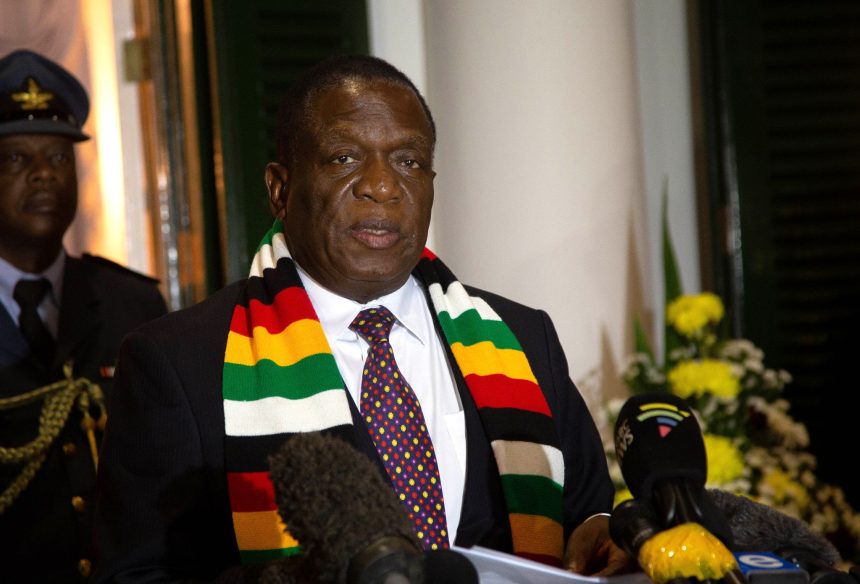
Under President Emmerson Mnangagwa’s administration, these developments illustrate a consistent pattern from 2023 to 2025: the use of lawfare, selective enforcement and intimidation to hollow out constitutional freedoms, leaving citizens formally enfranchised but substantively disempowered.