Zimbabwe Accelerates Drive to End TB: Survivors Take Centre Stage
BY CATHERINE MUROMBEDZI
As the global community prepares for World TB Day on March 24.
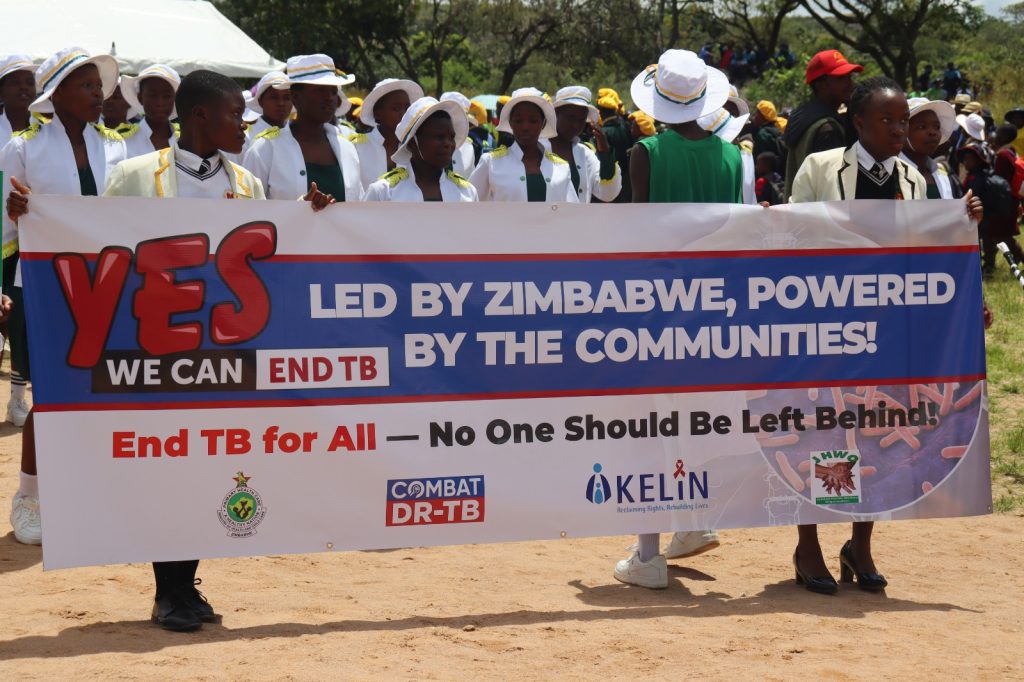
Zimbabwe is intensifying its domestic efforts under the optimistic theme: “Yes! We can end TB!”
Far from being a mere slogan, the country is translating these words into grassroots action, aiming to consolidate recent gains and push towards total elimination of the disease.
Grassroots mobilisation has been a success story of TB survivors in the national response.
A similar exercise took place in Domboshava, Mashonaland East Province.
Leading the charge was the Zimbabwe National Network of Tuberculosis Survivors (ZNNTBS). It is a non-profit organisation that has quickly become the heartbeat of the national response.
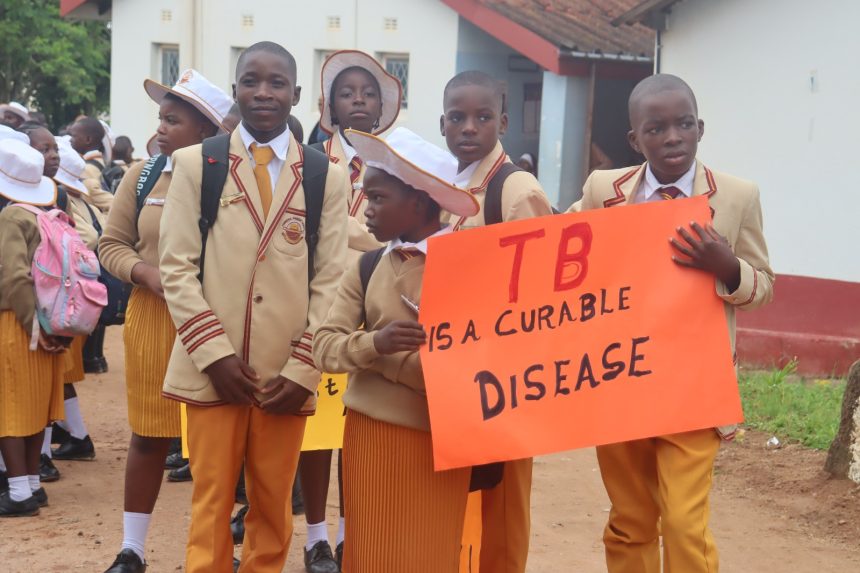
The network recently hosted a high-profile TB Pre-Commemoration event in the rural heartlands of Domboshava District, at Parirewa High School grounds.
The choice of location was deliberate. While urban centres often have easier access to information, rural communities lag behind.
Stanley Sibanda, Vice Chairman of the ZNNTBS, expressed his satisfaction with the community’s engagement.
”Our inaugural commemorations were held last year in the urban setting of Dzivarasekwa, Harare. For our second year, we intentionally moved to a rural setting to ensure no one is left behind,” Sibanda noted. “The turnout was beautiful. We saw a cross-section of society: traditional and church leaders, headmasters, teachers, students, the community itself and local business owners. As survivors, these moments allow us to reflect on our journey and assess exactly where we are in this fight.”
A partnership of policy and people was palpable.
The event was bolstered by the strong presence of the Ministry of Health and Child Care (MoHCC). The Guest of Honour, Dr Fungai Kavenga, Deputy Director in the AIDS and TB Unit, lauded the survivors not just as former patients, but as essential “foot soldiers.”
”We recognise your work as a vital cog in the national response,” Dr. Kavenga told the gathering.
“The Ministry views the success of our TB programme as a shared responsibility. Your commitment to community outreach ensures that the science of medicine meets the reality of the people.”
The national TB story is a success amidst significant challenges
Zimbabwe’s TB trajectory is currently a success story on the African continent. According to MoHCC data, 21,600 cases were diagnosed in 2025. This steady progress led to a major international milestone: Zimbabwe’s removal from the World Health Organisation’s (WHO) list of the 30 high TB-burden countries.
However, the path forward is not without hurdles. Public health experts warn of four primary threats to the current progress:
Delayed Health-Seeking Behaviour: Many patients wait too long to visit clinics, leading to advanced illness. Many with poor health seeking bhaviour are men.
Stigma: Social shame continues to drive the disease underground.
Drug Resistance: The interruption of treatment for Multi-Drug Resistant TB (MDR-TB) remains a clinical concern.
Funding Gaps: A decline in global funding threatens the sustainability of local programmes.
The Face of Resilience
Among those leading the charge against these obstacles is Barbra Farashishiko, a founding member of ZNNTBS and a leader in the Mabvuku/Tafara community. For Farashishiko, says her “status” is her greatest tool for advocacy.
”In my community, everyone knows me. I am open about my history with TB because it is a living proof that the disease is totally curable,” she said during the Domboshava event.
“Working alongside the National AIDS Council (NAC) and District AIDS Coordinators has opened doors for us. When we knock, the leadership listens, the coordinators are well known in all communities.”
As March 24 approaches, the message from Domboshava is clear: Zimbabwe has the momentum, the survivor-led leadership, and the political will to turn the tide.
The goal is no longer just “control” it is a definitive end to TB.
Mite Mpofu,
Mashonaland East Chairman, the man on the ground in the district, oversaw the preparations.
“We are self-funding. The success of this event was made possible with the help from the business community and the traditional leaders. The Ministry of Health provided us with transport and 50 t-shirts for the event. As you know, funding is shrinking. We are grateful that the community has a buy-in. Refreshments were provided, thanks to all who assisted us to hold a successful day. The Chiefs, village heads and councillors offer us their full support to end TB. As an organisation, we are received well in our province,” said Mpofu.
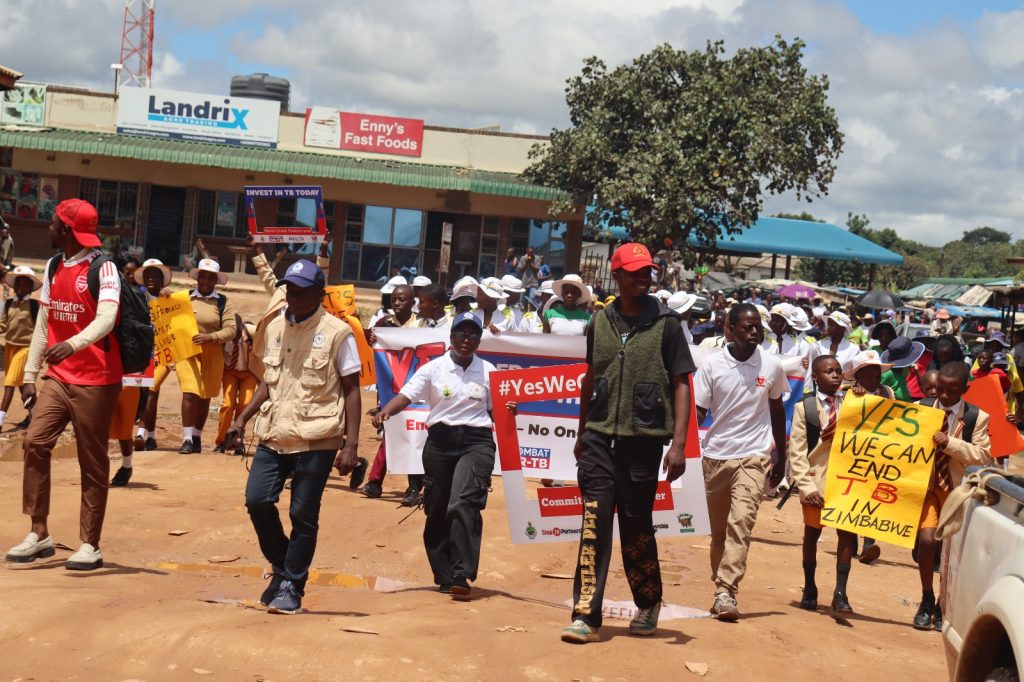
Zimbabwe is ramping up its efforts to combat TB with innovative strategies.
Dr Kavenga outlined the country’s plan to intensify TB case finding. The ministry will deploy digital X-ray machines in high-traffic health facilities, communities with high HIV prevalence, prisons, and mining areas.
Mobile X-ray units are also being implemented to reach remote areas, while community-based screening is getting a boost with AI-powered diagnostic tools.
The private sector is being roped in to support TB case finding, and systematic screening is being scaled up among high-risk groups, including HIV-positive individuals, prisoners, and miners. Dr Kavenga emphasized that these efforts are crucial in the fight against TB.
“On the innovation front, Zimbabwe is set to introduce AI-powered computer-aided detection systems for X-ray analysis, integrating AI-driven diagnostic tools with existing electronic health records,” he said.
A pilot project was recently taken in the Midlands Province.
The country also plans to leverage AI-powered chatbots to enhance effective diagnosis. With over a decade of experience using GeneXpert, Zimbabwe aims to expand its molecular diagnostic tests for rapid TB diagnosis.
Dr Kavenga stressed that ending TB requires a multi-sectorial approach, emphasizing the importance of public-private partnerships.
“Many hands and heads are better than one,” he said.
Dr Kavenga highlighted the critical role of community-based organisations in detecting outbreaks and supporting TB efforts.
“We value them as an important stakeholder,” he added.
As Zimbabwe gears up to commemorate World TB Day, the country is poised to turn the tide against tuberculosis. With survivor-led initiatives, government support, and innovative strategies like AI-powered diagnostics and digital X-ray machines, Zimbabwe is making significant strides towards ending TB.
Despite challenges like funding gaps and stigma, the collective effort from organisations, communities, and the government signals a promising future.
The goal is clear: end TB, not just control it.
● Feedback: [email protected]