TONY PHIRI
MOUNT HAMPDEN, HARARE.- SCOPE Zimbabwe has successfully concluded a four-day multi-stakeholder book validation and teacher induction programme at Ecovillage@ Chitubu in Mount Hampden, marking a significant milestone in the development of locally relevant educational resources aligned with Zimbabwe’s Heritage-Based Curriculum (HBC).
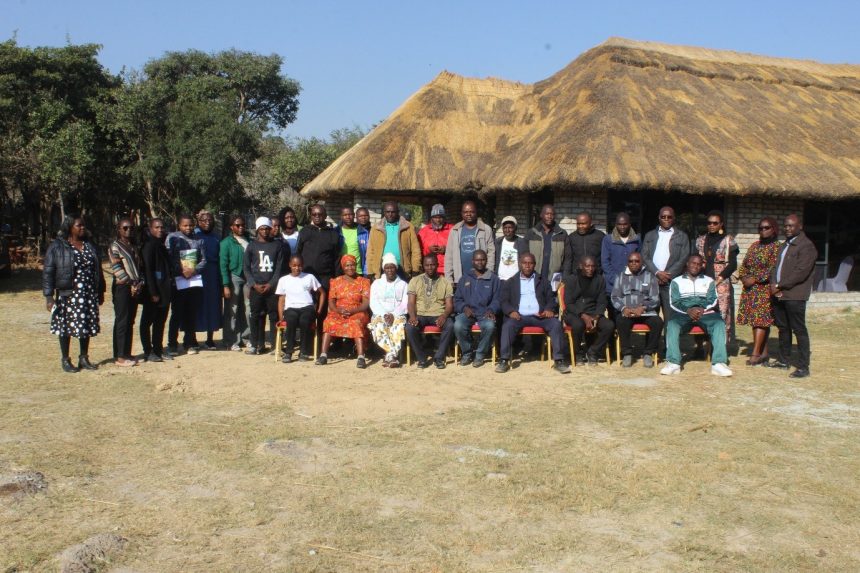
Held from 9 to 12 June 2026, the event brought together a diverse group of stakeholders including officials from the Ministry of Primary and Secondary Education (MoPSE), university professors, lecturers, doctors, researchers, teachers, students, community elders, and civil society practitioners. Their collective task was to review, evaluate, and validate two important educational series developed through SCOPE Zimbabwe’s community-based learning processes.
The first publication series, Seeding Local Cultures Facilitator’s Guides, was developed for four educational levels—Infant, Primary, Secondary, and Higher and Tertiary Education (HTE). The second series, My Foods, was also developed across the same learning levels and focuses on indigenous foods, nutrition, biodiversity, food sovereignty, and sustainable food systems. The validation process sought to ensure that the materials are technically sound, culturally relevant, age-appropriate, and fully aligned with Zimbabwe’s Heritage-Based Curriculum, Education 5.0, and Education for Sustainable Development (ESD) 2030 frameworks.
The books are the culmination of several years of participatory action research and practical implementation across schools and communities. Lessons gathered from pilot schools revealed the need for age-specific learning materials that simplify concepts for younger learners while providing greater scientific depth for secondary and tertiary students. The revised publications therefore offer a scaffolded learning approach that progressively builds learners’ understanding of agroecology, environmental stewardship, indigenous knowledge systems, and sustainable livelihoods.
A key highlight of the publications is the integration of local food systems through the “My Food is African” component. The materials promote the use of climate-resilient small grains such as sorghum and finger millet, indigenous vegetables including mhowa and chaya, traditional dishes such as nhopi, and wild fruits like nyii and masawu. Through these resources, learners are encouraged to appreciate the nutritional, economic, and ecological value of Zimbabwe’s indigenous foods and biodiversity.
Throughout the validation process, participants engaged in technical reviews, policy alignment discussions, language audits, and practical teacher induction sessions. Experts examined the extent to which the books support innovation, industrialisation, food sovereignty, environmental sustainability, and community resilience. The collaborative review process ensured that the final publications reflect Zimbabwean realities, indigenous knowledge, and national educational priorities.
Speaking during the event, stakeholders commended SCOPE Zimbabwe for creating educational resources that bridge the gap between classroom learning and community practice. The books were recognised as important tools for strengthening agroecological learning, promoting healthy diets, preserving cultural heritage, and empowering young people to become active participants in sustainable development.
Importantly, participants recommended that both the Seeding Local Cultures Facilitator’s Guide Series and the My Foods Series be integrated into Zimbabwe’s Heritage-Based Curriculum framework as practical learning resources that support the national vision of producing innovative, culturally grounded, and environmentally conscious learners. The publications are expected to strengthen teaching and learning across all educational levels while providing practical pathways for schools to integrate nutrition, agroecology, climate resilience, and indigenous knowledge into everyday learning experiences.
The validation meeting concluded with a strong commitment from educators, policy makers, higher learning institutions, and community representatives to support the dissemination and adoption of the publications nationwide. Once final amendments have been incorporated, the books are expected to be printed and distributed to schools and learning institutions, contributing to the ongoing transformation of Zimbabwe’s education system through locally grounded and heritage-based learning approaches.