For decades, Zimbabwe has suffered massive brain drain across all sectors, with healthcare hit hardest. Over 4,000 doctors and 15,000 nurses are estimated to have left for better opportunities abroad. That exodus strained the healthcare system and left critical gaps in essential health services.
The International Organisation for Migration (IOM) tried short-term return programmes to bring diaspora professionals home to teach and assist in hospitals.
The shortage was so severe that the World Health Organisation (WHO) placed Zimbabwe on its 2019 “Red List,” discouraging active recruitment of health personnel by wealthier nations.
Now with the public-private partnerships (PPPs), the tide is turning. Specialists trained abroad are returning home to practice.
Patients no longer need to fly out for oncology, cardiology, or gastroenterology among many other conditions. Zimbabwe now has one of Africa’s seven Hepatopancreatobiliary (HPB) specialists. Hepato-Pancreato-Biliary is the hepato = liver, pancreato = pancreas, biliary = bile ducts and gallbladder.
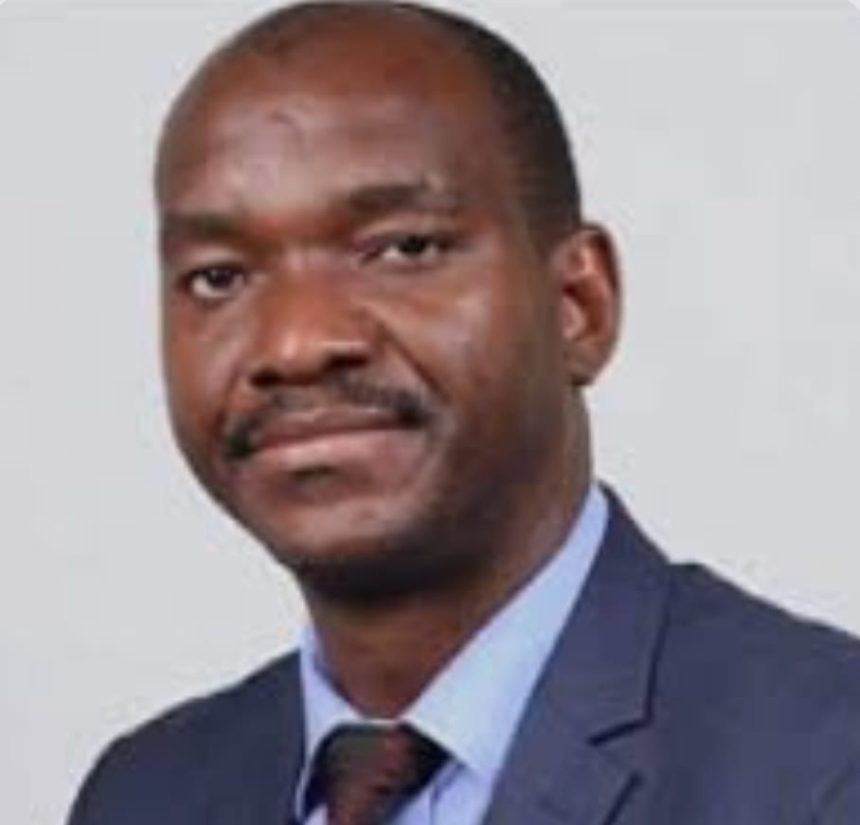
Dr Onesai B. Chihaka is the HPB Surgeon & Surgical Gastroenterologist in private practice in Zimbabwe.
He completed his HPB fellowship at the University of Cape Town in 2018 and returned to Zimbabwe to serve his country.
Dr Chihaka focuses on diagnostics and “keyhole” laparoscopic surgery for the liver, bile duct and pancreas — small organs with a massive impact on health.
In a telephone interview, Dr Vivek Solanki of the Trauma Centre said four super-specialists are returning home this year to practise cardiac care, largely because cutting-edge technology now exists.
“These cardiac surgery super-specialists will be joining others already practising in Zimbabwe rather than outside our borders, meaning Zimbabwean patients are directly benefiting from their expertise. Trauma Centre Borrowdale helped create the pathway for this to happen by acquisition of the cutting-edge innovative tools required in modern medicine,” said Dr Solanki.
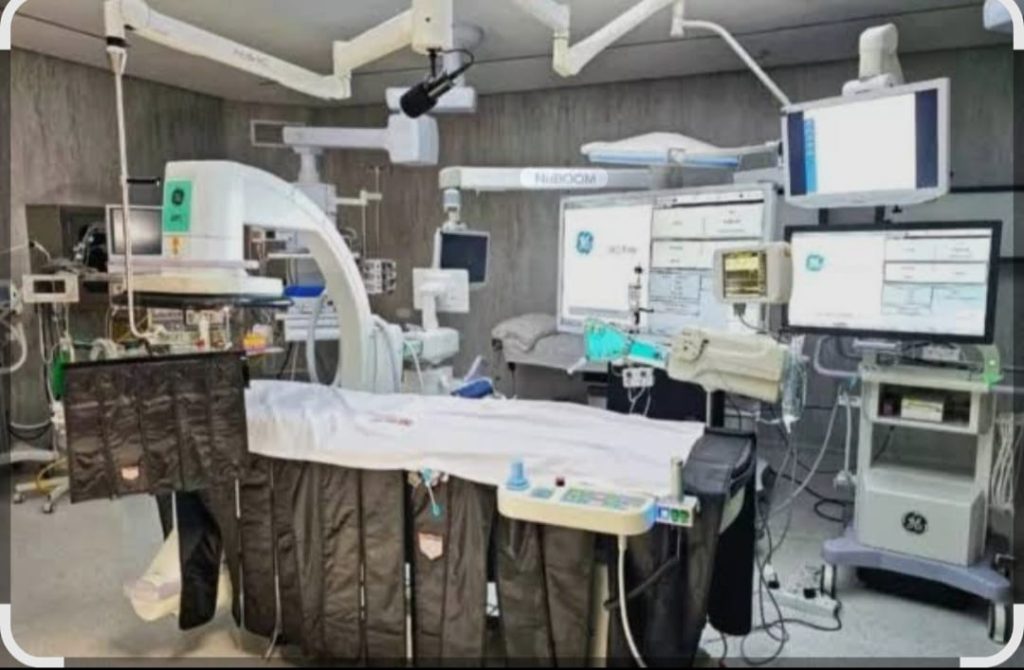
In a bold move to revitalise healthcare, Trauma Centre Harare acquired the Catheterisation Laboratory (CATH-LAB) and keeps retraining specialists as a priority that signals a new era in cardiac diagnoses, treatment, care and support.
The approach enhances local service quality and aims to stem brain drain by giving professionals the tools to excel at home. Knowledge without tools is redundant.
As Zimbabwe invests in cutting-edge solutions, attracting and retaining skilled practitioners becomes more viable. That creates a stronger environment for patients and professionals alike.
Dr Vivek Solanki puts it plainly: “The introduction of advanced cardiac technology brings out
precision in procedures which can be performed only in a Catheterisation Laboratory (CATH-LAB).
CATH-LAB stenting uses live X-ray imaging to place a small mesh tube that keeps heart vessels open. This requires specialised equipment, so it’s only done in a CATH-LAB, not a standard operating theatre. In Zimbabwe, the Trauma Centre currently provides this service As the private sector, we complement government health setvices in the private public partnerships (PPPs).”
“Cutting-edge tools are not just a technological upgrade; it represents a commitment to improving patient outcomes and elevating our healthcare standards. By integrating such innovative tools, we are not only enhancing our capabilities but also inspiring our talented professionals to remain and contribute to our nation’s health sector,” he added.
Meanwhile, that same shift is slowly taking shape in the public sector too.
Parirenyatwa Group of Hospitals has resumed open-heart procedures for both children and adults. The facility stopped cardiac surgery in 2018 and restarted in 2023.
With a new Stöckert S5 heart-lung machine installed in late 2024, Parirenyatwa now offers subsidised surgeries to patients who do not afford the private sector nor travelling abroad. Each year hundreds of children are born with heart defects and hundreds of adults wait for surgery due to rheumatic heart disease. Since reopening, the team has completed 60 operations, giving families a local option when trauma or illness affects the heart.
This progress is also about teamwork. Parirenyatwa partners with Egyptian doctors, the Rotary Club of Harare Central, Gift of Life International and Cimas to run surgical camps and build local capacity.
As these advancements take root, a self-sustaining healthcare system in Zimbabwe feels more tangible — one where medical expertise is nurtured, retained and benefits the whole nation.
● Feedback: [email protected]