…don’t misuse antibiotics, its not COVID-19
CATHERINE MUROMBEDZI
CORRESPONDENT
Zimbabwe is experiencing a late seasonal peak of influenza with nearly 12,000 weekly cases reported in August 2026 due to a prolonged cold spell.
Influenza activity typically peaks during June and July. This year, however, the peak has occurred in August, coinciding with the prolonged cold spell currently being experienced across the country. While this represents a later than usual seasonal peak, there is no cause for panic or alarm.
The Ministry of Health and Child Care (MoHCC) confirms the virus is seasonal influenza (A and B), not COVID-19, and warns the public not to misuse antibiotics.
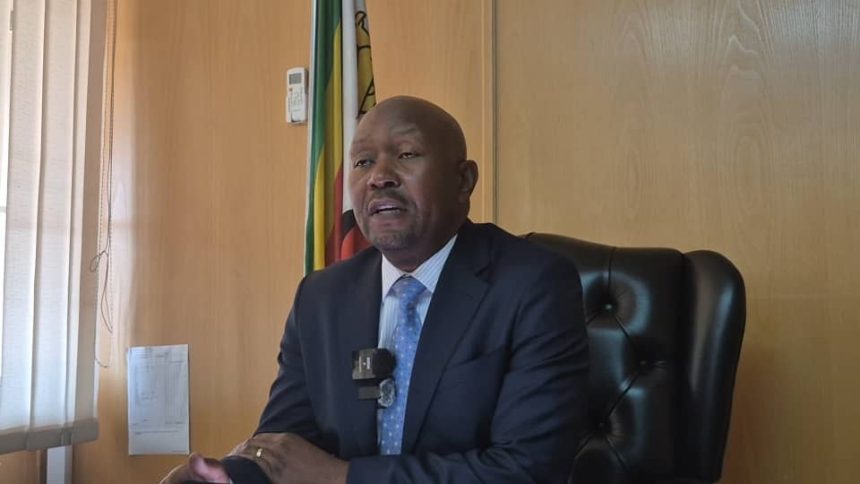
Speaking in a hybrid press meeting, Dr Aspect Maunganidze, the Permanent Secretary in the Ministry said the necessary surveillance, laboratory and clinical systems are all in place. The Ministry is adequately monitoring and and responding to the situation.
Members of the public are encouraged to visit a clinic near them. They should remain calm as they take the recommended preventive measures. Those most vulnerable, with underlying conditions, like hypertension, diabetes mellitous, asthma, tuberculosis, heart disease, children and the aged must seek medical attention promptly when they catch the cold.
“Nearly 12,000 cases reported per week in August 2026.
Viruses Identified: Predominantly Influenza A and B; zero coronavirus detected in samples.
Vulnerable Groups: Children under five, adults 65 and older, pregnant women and people with chronic illnesses,” said Dr Aspect Maunganidze.
“Recent surveillance data indicate that reported influenza cases have risen to nearly 12,000 cases per week during the current seasonal peak. Laboratory testing by the National Microbiology Reference Laboratory has identified predominantly Influenza A and Influenza B viruses among the circulating influenza viruses. No coronavirus has been isolated from the influenza samples tested,” he clarified.
“The Ministry continues to closely monitor the situation through the national disease surveillance and laboratory systems. Since January 2026, four deaths have been reported in relation to influenza. The Ministry however, notes that influenza may aggravate underlying conditions such as asthma, tuberculosis, heart disease and other chronic conditions and continues to monitor severe cases and deaths,”
While the national data shows four fatality cases, Bulawayo’s Mpilo Hospital, recorded five deaths.
Early this week, in an interview carried by The Herald, the Zimpapers Health Editor, Robin Muchetu reported that Mpilo Central Hospital Chief Executive Officer, Professor Solwayo Ngwenya, said the flu bug was severe in children and required hospitalisation.
“There is an ongoing flu that most people have caught and are going to catch. It is indeed a very nasty flu. It starts like a usual flu, then after a few days you get this terrible sore throat that produces a lot of fluid and it is very painful.
Some are not able to breathe properly, to swallow or drink much. It is also going into your lungs and you start coughing. We have recorded five deaths from this flu here at Mpilo since we started receiving patients,” said Prof Ngwenya. (The Herald)
He said the clinical picture on the ground reports severe cases of the flu with five deaths reported at Mpilo Central Hospital.
“There are people coming in with what is called community acquired pneumonias but we have people who have died who have been looking very healthy. The hospital attended to 85 children in May, 257 in June, 528 in July with respiratory conditions. For adults it was 38 in May, 41 in June and 50 in July. It appears to us that children are brought to the hospital while most adults may be self-treating in the home,” Prof Ngwenya said.
WHO IS MOST AT RISK?
While most people recover from influenza without complications, greater caution is advised for:
-Children under five years, particularly infants;
-People aged 65 years and above
-Pregnant women;
-People living with chronic conditions such as asthma, diabetes, heart disease, kidney disease and HIV
-People with weakened immune systems or other conditions that increase the risk of severe respiratory illness.
WHAT THE PUBLIC SHOULD DO
Members of the public are encouraged to:
-Wash hands regularly with soap and clean water or use an alcohol-based hand sanitiser
-Cover the mouth and nose when coughing or sneezing;
-Wear a face mask when experiencing respiratory symptoms and in crowded or poorly ventilated places
-Avoid close contact with people who are unwell;
-Stay at home and minimise contact with others when experiencing flu-like symptoms
-Ensure good ventilation in homes, workplaces, schools and other indoor spaces
-Maintain adequate nutrition, hydration and rest.
Most people with mild influenza can recover safely at home with adequate rest, plenty of fluids and paracetamol for fever and body aches, as directed.
Antibiotics do not treat influenza, as it is caused by a virus, and should only be taken when prescribed by a healthcare professional.
WHEN TO SEEK MEDICAL CARE
Prompt medical attention should be sought where there is difficulty breathing, chest pain, persistent or very high fever, severe weakness or confusion, inability to drink or signs of dehydration, convulsions, or worsening symptoms after an initial improvement.
Parents and guardians should seek urgent care for young children who have difficulty breathing, refuse to breastfeed or take feeds, become unusually sleepy or unresponsive, or show other signs of severe illness.
PUBLIC REASSURANCE
The Ministry wishes to reassure the public that the current increase in influenza activity remains within the expected seasonal pattern, although the peak has extended into August in the context of the current cold spell. There is no cause for panic.
The Ministry has the necessary surveillance, laboratory and clinical systems in place and is adequately monitoring and responding to the situation. Members of the public are encouraged to remain calm, take the recommended preventive measures, protect those who are most vulnerable, and seek medical attention promptly when necessary.
The Ministry will continue to monitor developments and provide further information should there be any significant change in the situation.
Feedback: [email protected]