Infidelity does not announce itself with drums. It is a thief that steals happiness and life at times. Infidelity is rarely content to remain a private affair. It enters a home like a thief in the night, and once it has broken the lock of trust, it begins to devour everything within reach. The scriptures describe marriage as a covenant, not a convenience. In Genesis 2:24 we are told that a man shall leave his father and mother and hold fast to his wife, and the two shall become one flesh. That oneness is the foundation of the family, and when infidelity tears at it, the whole structure trembles.
The Bible does not treat adultery as a small fault or a matter of personal choice. It calls it what it is: a violation of the sacred bond that mirrors God’s faithfulness to His people. Proverbs 6:32 warns plainly, “He who commits adultery lacks sense; he who does it destroys himself.” The destruction is first within the individual, for guilt and shame corrode the conscience. But it does not stop there. The household feels the rupture immediately. Children lose the security of knowing that their parents’ word is unbreakable. Spouses carry wounds that take years to heal, if they heal at all. Trust, once broken, leaves a scar that every subsequent conversation and decision must work around.
History in the scriptures shows how the personal sin of infidelity spills into the public sphere. King David’s adultery with Bathsheba did not remain hidden in the palace chambers. It set off a chain of deceit, murder, and family strife that plagued his house for generations. Second Samuel records the outworking of the death of a child, the rebellion of a son, and the fracturing of the kingdom. When we treat covenant vows lightly, the nation feels it. A society that excuses unfaithfulness in its homes will soon find itself unable to uphold faithfulness in its institutions, its markets, and its public life.
The prophets used the language of marital betrayal to describe Israel’s relationship with God. Hosea’s marriage to Gomer was a living parable of a nation that chased after other lovers and abandoned its first love. In Jeremiah 3:8-9, God accuses Judah of playing the harlot and defiling the land. The point is clear: infidelity to God and infidelity in marriage draw from the same root, a restless heart that seeks satisfaction outside the covenant. When a people normalise that restlessness, families become unstable and the moral fabric of the nation frays.
Yet the biblical witness does not end with condemnation. It holds out the possibility of restoration through repentance and renewed commitment. Psalm 51 records David’s cry after his fall: “Create in me a clean heart, O God, and renew a right spirit within me.” Forgiveness is offered, but it is always tied to a turning away from the path that leads to destruction. Jesus’ teaching in Matthew 5:27-28 goes to the root, calling His followers to guard the heart before desire becomes action. The gospel does not minimise the gravity of infidelity, but it insists that no sin is beyond the reach of grace when there is genuine repentance.
For a nation to stand, its families must stand. And families stand only when husbands and wives honour the vow that made them one. Ephesians 5:31-32 places marriage within the larger story of Christ and the Church, reminding us that fidelity in marriage is meant to reflect the faithful love of God. Where that reflection is dimmed, children grow up learning that promises are conditional, that loyalty is negotiable, and that secrecy is safer than truth. A country built on such foundations cannot endure.
Infidelity is a beast because it promises freedom and delivers bondage. It feeds on secrecy, grows on selfishness, and leaves behind broken homes and a weakened national conscience. But the word of God calls us back to faithfulness, to a love that keeps its word when no one is watching. A nation built on such faithfulness is a nation that can endure. When individuals, homes, and leaders choose this path, they do more than protect their marriages; they lay the groundwork for a society where trust, justice, and life can flourish again.
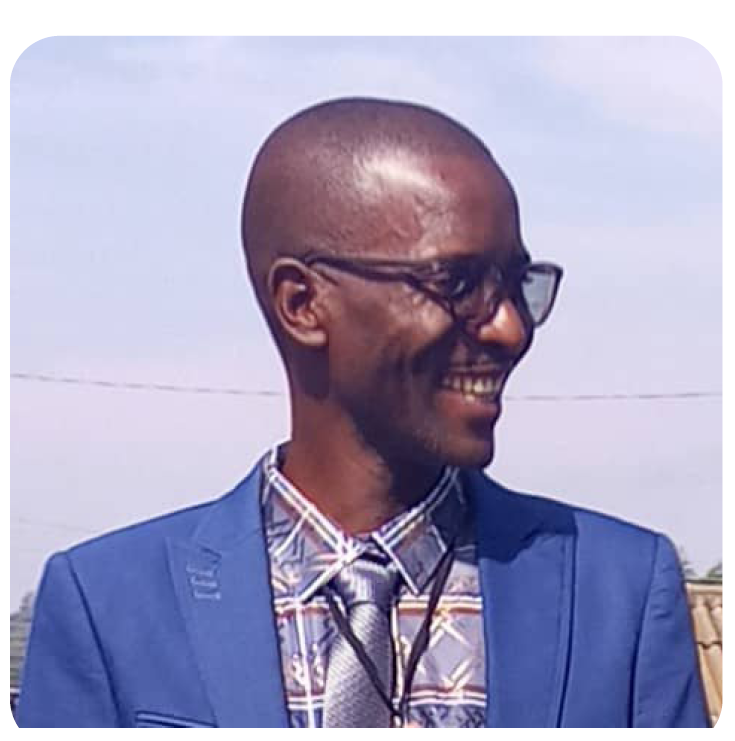
BY DR ALOIS SIMBARASHE
MUTAMBANESANGO