MORRIS BISHI
MAPHISA – The hosting of Zimbabwe’s 46th Independence Day celebrations has triggered major infrastructure development in Maphisa, Matobo District the home of late nationalist icon Joshua Nkomo.
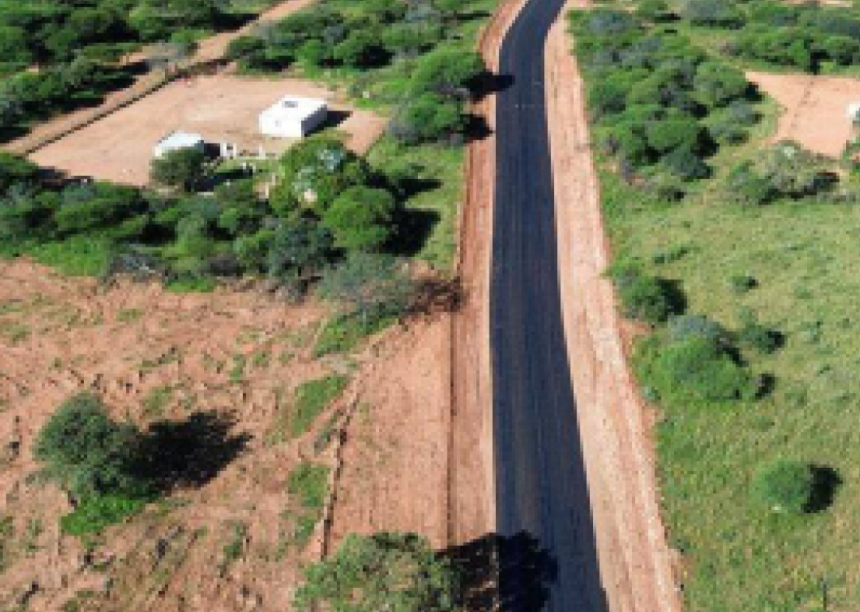
The projects are already reshaping the area’s socio-economic outlook, bringing improved access to essential services and creating new opportunities for local communities
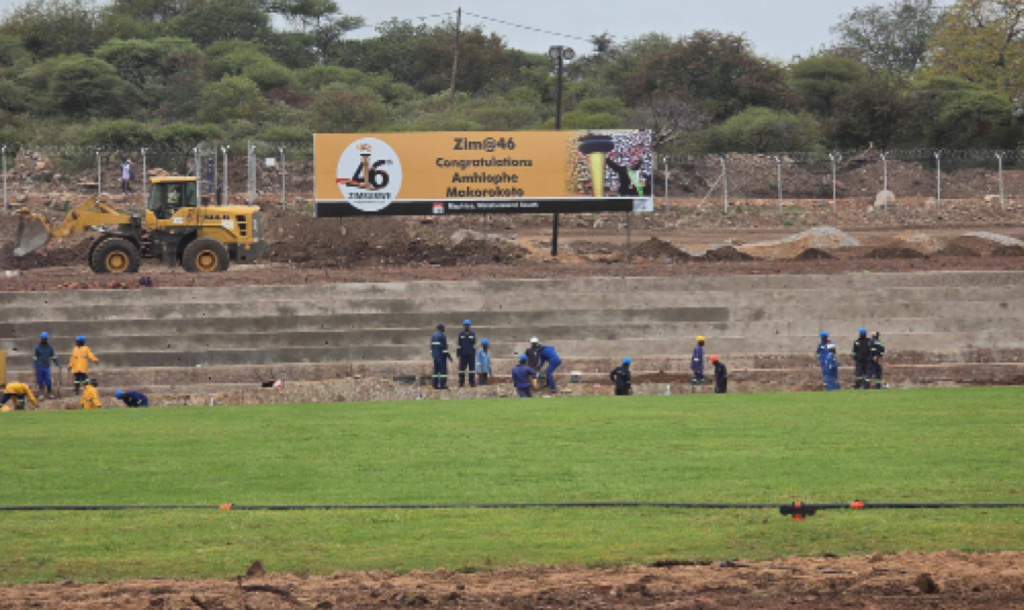
At the centre is the upgraded Independence arena, now equipped with modern facilities including ablution blocks, VIP sections, terraces, boreholes, and full water and electrical systems. The venue has been transformed into a multi-purpose community facility.
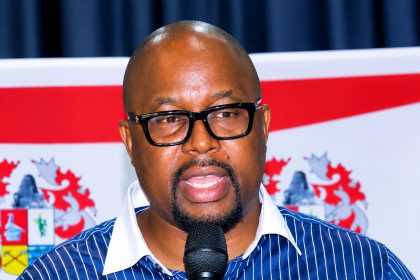
Speaking at the event on Saturday Minister of Local Government and Public Works Daniel Garwe said the developments reflect government’s commitment to inclusive rural development.
“What we are witnessing here in Maphisa is not just preparations for Independence celebrations, but a deliberate effort by the Second Republic to ensure no place and no one is left behind,” said Garwe.
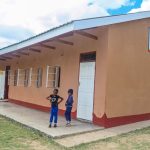
Across the district, schools have seen major upgrades. At Mahetshe Primary and Secondary more than 20 new classroom blocks, laboratories, computer labs, and staff houses have been constructed, improving learning conditions.
Minda Secondary School has also benefited with a new library, sanitation facilities, and an incinerator, while the construction of 40 science laboratories is underway despite material shortages.
In the health sector, Maphisa District Hospital is undergoing upgrades, including works on a nursing school and VIP wards. At Kezi Rural Hospital, works and installations are nearing completion.
Security infrastructure is also improving, with a new police charge office under construction, though some projects are slowing due to material shortages and difficult terrain.
Tourism projects, including traditional rondavels and a cultural village, are being developed to promote heritage tourism in the district.
Information, Publicity and Broadcasting Services Minister Soda Zhemu said the projects demonstrate how national events can drive development.
“Independence celebrations are not just ceremonial; they are a vehicle for development. Communities like Maphisa are now benefiting from lasting infrastructure that will serve generations,” said Zhemu.
The developments mirror similar investments in Gokwe, which hosted last year’s celebrations, highlighting a growing trend of using national events to uplift rural areas.
Focus now shifts to Masvingo province, set to host the 2027 celebrations. Areas such as Chikombedzi and Mwenezi are expected to benefit from similar development.
If sustained, the model could help channel meaningful infrastructure investment to Zimbabwe’s most marginalised communities.