BEATRICE – In a quiet corner of Manyame Rural District, a simple idea is taking root and changing lives. What began as a small initiative under a gender-focused development programme has grown into a thriving enterprise that is empowering women, creating jobs, and redefining rural economic development.
At the centre of this transformation is the Groundmeat Mushroom Project, a cooperative that is steadily emerging as a model for inclusive local economic development.
The project is part of the “Promoting Gender Inclusive Local Economic Development Programme in Zimbabwe,” implemented by Gender Links in partnership with the Ministry of Local Government and Public Works, with support from the Embassy of Sweden. Manyame RDC is one of only twelve local authorities selected as Centres of Excellence under this initiative .
A Strategic Investment in Livelihoods
Recognising the need for sustainable income-generating activities, Manyame RDC identified mushroom production as a practical and scalable opportunity, particularly for women and vulnerable groups.
The partnership took shape in 2023:
•Manyame RDC provided land and ongoing technical support
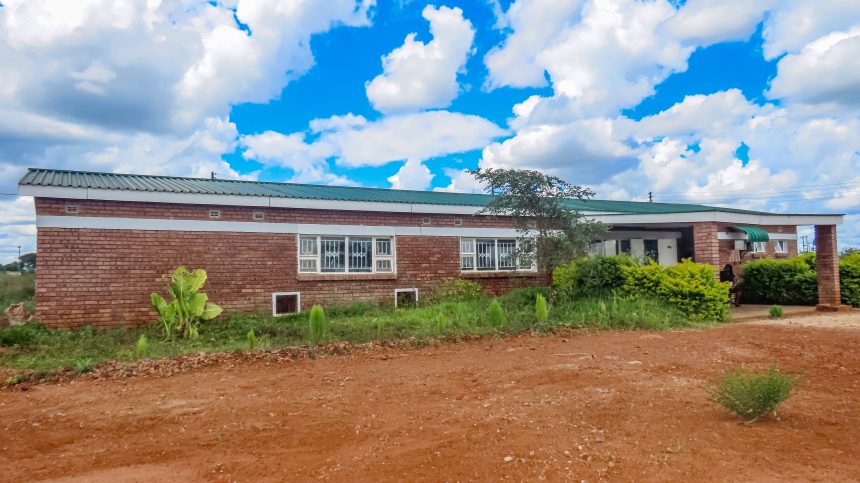
•Gender Links invested in infrastructure, including a mushroom house, perimeter fencing, borehole drilling and equipping, electrification, solar system, mushroom production inputs and training
The total investment reflects a strong commitment to long-term impact:
•Gender Links contribution: +USD 150,000
•Manyame RDC contribution: +USD 120,000
More Than a Project: A Community Hub
What sets the Groundmeat Mushroom Project apart is its evolution into a community training and production hub.
The centre is now a place where community members from different wards come to receive hands-on training in mushroom production. After training, participants return to their respective communities and establish their own small-scale operations.These new producers do not operate in isolation. Instead, they become outgrowers, supplying mushrooms to the Groundmeat Cooperative and helping meet growing market demand.
This hub-and-outgrower model is creating a ripple effect , expanding economic opportunities beyond the original beneficiaries and building a wider local value chain.
Women at the Centre of Growth
The cooperative started with 27 members, 18 of them women, and has grown to 56 members, 44 of whom are women .This is more than participation. It is ownership.
Women are actively involved in production, processing, marketing, and decision-making, strengthening both household incomes and community leadership.
Beyond Mushrooms: Building Resilient Livelihoods
The project is not only about mushroom production. It has become a platform for broader household economic strengthening.
Members have used income and skills gained from the project to diversify into:
• Poultry production
•Horticulture projects
This diversification is improving food security, increasing income streams, and reducing vulnerability at household level.
At enterprise level, the cooperative is involved in:
•Fresh and dried mushroom production
•Retail and wholesale supply
•Training in mushroom production
Real Impact on Communities
The benefits are already visible.
Through internal savings and lending schemes and income from the sell of mushroom, members are now able to:
•Pay school fees
•Cover medical expenses
•Invest in small businesses
For many households, this initiative has become a reliable economic anchor.
A Model for Local Economic Development
The Groundmeat Mushroom Project reflects a broader shift in how local authorities approach development, from service delivery to economic facilitation.
The council continues to provide oversight and technical support, working alongside a management structure that includes beneficiaries, council staff, and government technical experts .
Looking Ahead
Following the formal handover of assets in 2025, the project now stands as a community-driven enterprise with strong institutional backing.
Its strength lies in its model:
•A central hub for skills and production
•A growing network of community-based outgrowers
•A focus on women’s economic empowerment
•And a pathway for household-level diversification
From a single site in Beatrice, the project is steadily building a wide ecosystem of producers.
It is proof that when local leadership, partnerships, and community initiative come together, small projects can grow into powerful engines of inclusive development.
How a Mushroom Project is Transforming Lives in Manyame