GOKWE NORTH — The Environmental Management Agency (EMA) has commended villagers under Chief Toringepi in Gowke for using traditional taboos and cultural practices to protect the Dewe Wetland, one of the largest wetlands in the district.
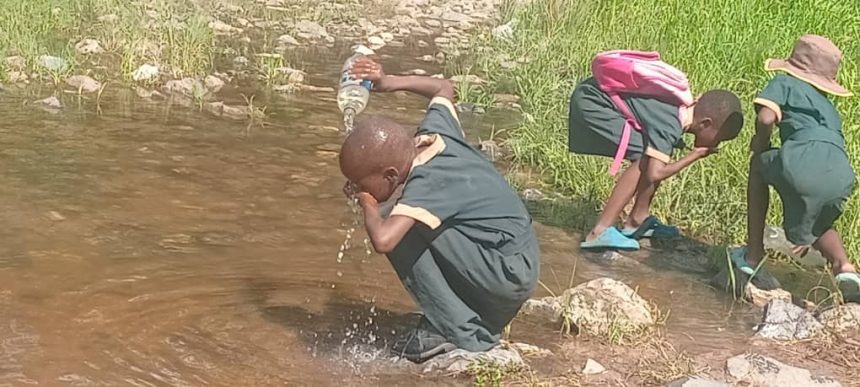
The 2.5 hectare Dewe Wetland, located at Copper Queen Farm, has for decades been conserved through strict community rules that discourage deforestation, cultivation near the wetland and other practices considered taboo. The wetland is a vital source of water and is also used for religious and cultural cleansing rituals.
Speaking during a tour of the wetland last week, EMA Education and Publicity Officer Oswald Ndlovu said the agency recognises the role of indigenous knowledge systems in environmental conservation.
“We value traditional norms and taboos that are implemented in communities. This year’s World Wetlands commemorations focus on how traditional systems contribute to environmental protection, and Dewe is a typical example,” said Ndlovu.
He said EMA works closely with community leadership and environmental monitors to enforce the law while respecting cultural practices.
“We have environmental monitors and subcommittees working with local leadership to conserve wetlands and report violations. Those that go against environmental laws will be prosecuted,” said Ndlovu.
Village elder Richard Pedzisai (63) said the wetland’s survival depends on strict observance of taboos, warning that past violations had nearly destroyed it.
“This wetland dried up in 1974 after outsiders violated our taboos by bathing here and bringing girlfriends to this sacred place. Our elders consulted a spirit medium, cleansing ceremonies were done and the wetland was restored,” said Pedzisai.
He expressed concern that renewed violations now threaten Dewe’s future.
“Our fear is that the young generation is not respecting these taboos. Some are using chemicals in gardens nearby and farming too close to the wetland. If this continues, Dewe may dry up again,” said Pedzisai.
EMA backs traditional taboos in Gokwe wetland protection