Access to clean water and sanitation is a fundamental right, yet often unmet for many Zimbabwean children.
Roughly 36% of Zimbabweans lack access to basic clean drinking water and sanitation.
The crisis is driven by deteriorating infrastructure and recurrent droughts.
In urban centres like Harare, pollution of raw water sources and failing sewage systems have rendered piped water sporadic and unsafe.
Consequently, residents often rely on boreholes, which face severe contamination risks from tapping into the sewerage lines.
Meanwhile, in rural areas, many depend on unprotected wells and rivers. The few who have safe water travel long distances to boreholes to access clean water. At times, the boreholes break down forcing them to drink river water again.
This lack of safe infrastructure exposes communities to deadly waterborne diseases like cholera. (UNICEF)
Access to clean water, safe sanitation and hygienic spaces is directly linked to the fundamental right to health and education for vulnerable children in Zimbabwe.
The theme for the 16 June 2026 Day of the African Child was “Ensuring universal access to water, sanitation and hygiene for every child in Africa”.
The theme runs beyond June 16, it is a life sustaining right.
It emphasizes that access to clean water and safe sanitation is a fundamental child right required to protect health, dignity and education across the continent.
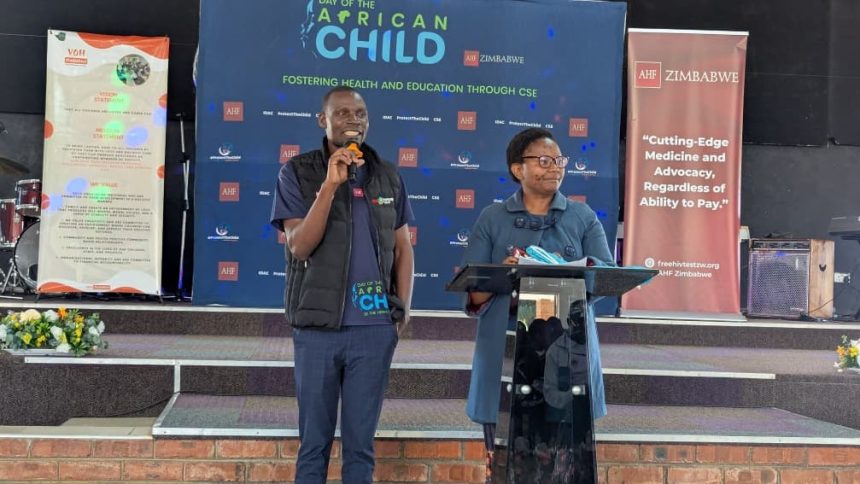
AIDS Health Foundation (AHF) Zimbabwe joined the rest of Africa in commemorating the Day of the African Child at Village of Hope under the theme ‘Ensuring Universal Access To Water, Sanitation and Hygiene to Every Child In Africa.”
By ensuring Water, Sanitation and Hygiene (WASH) for every child, they are also ensuring that children stay in school, stay protected and stay healthy. The day showed that children are not just the future but they are partners in issues pertaining to their welfare.
AHF Zimbabwe, in partnership with the Village of Hope in Harare, highlighted that access to clean water, sanitation and hygiene (WASH) is fundamentally linked to health, dignity and rights of vulnerable children. Recognising that safe water is essential for the effectiveness of antiretroviral treatment for children living with HIV and that improved WASH facilities are crucial for menstrual health, the initiative reinforces that protecting these rights helps children stay in school and live healthier lives.
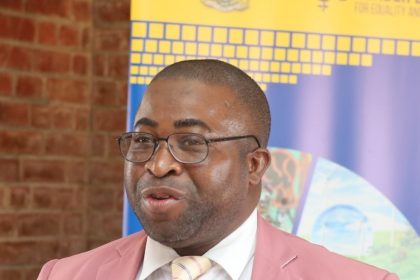
At the Day of the African Child, AHF Zimbabwe
National Youth Coordinator, Knowledge Nyanhungo emphasized that access to WASH is inseparable from the right to health, particularly for vulnerable children.
Nyanhungo highlighted that reliable WASH infrastructure is essential for the effectiveness of HIV treatment and for enabling girls to stay in school, urging children to take proactive ownership of their health and well-being.
For decades, June 16 has served as a solemn reminder of the 1976 Soweto Uprising, where thousands of South African students marched against colonial education, braving police brutality to demand their basic rights.
Today, the modern battlefield for the African child has shifted from the streets of Soweto to a quiet crisis of basic infrastructure.
According to UNICEF, accessing safely managed WASH services remains a critical challenge in Zimbabwe, making such community-level interventions and educational outreach vital for long-term health and dignity.
The Day of the African Child serves to evaluate our commitment to protecting our children .
Data from the UNICEF Zimbabwe Climate-Resilient WASH Portal shows that national access to basic drinking water stands at 64%. This leaves more than a third of the population vulnerable to waterborne illnesses.
In rural communities and informal settlements, UNICEF reports that up to 43% of people must walk over a kilometre just to fetch water. This burden falls heavily on young school children.
The AIDS Healthcare Foundation (AHF) Zimbabwe has focused its interventions on community-level partnerships to fight these statistics. A primary example is AHF’s long-term collaboration with the Village of Hope (VOH) in Harare, an institution dedicated to educating and caring for marginalised and vulnerable boys and girls.
Speaking at a commemoration event held at the school Nyanhungo addressed the systemic link between public infrastructure and paediatric healthcare.
“As an organisation, we are concerned with the health of our community as well as the rights of the vulnerable populations,” Nyanhungo stated.
“I stand before you today with a message of solidarity on this important day that we annually honour.”
Nyanhungo expressed deep gratitude for the long-standing relationship with the institution.
“As AHF Zimbabwe, we have been working with this institution for quite some time now and I want to take this opportunity to really appreciate the warm welcome we always get from Village of Hope.”
“The medical necessity of safe water is a must
for children living with chronic conditions like HIV, the lack of clean water can be a matter of life or death,” said Nyanhungo.
He further explained.
that standard medical interventions are severely compromised when basic environmental sanitation is absent.
“The right to health cannot be separated from the right to clean water, safe toilets and good hygiene,” Nyanhungo stressed.
“When you have access to clean drinking water and safe toilets at school and at home, you stay healthier, miss fewer school days, and can participate fully in life events. As an organisation that supports children living with HIV, WASH is not an extra. It is essential.”
He noted the chemical and biological dependencies of paediatric healthcare: “Antiretroviral treatment works best when taken with clean water. A child who swallows their medication with safe water and washes their hands before meals is a child whose treatment has a better chance of success.”
Protecting the dignity of adolescent girls is a priority.
In late May, AHF commemorated Menstrual Hygiene Day (MHD) to focus public attention on infrastructure deficits that force adolescent girls out of the classroom.
“Beyond medicine, WASH protects the rights and dignity of adolescents, especially girls,” Nyanhungo noted.
“For good menstrual health and hygiene, all African girls deserve clean water, private toilets, and disposal facilities. Without them, girls miss school, withdraw, and become more vulnerable to risks that increase HIV exposure. When we ensure WASH for every child, we are also ensuring that girls stay in school, stay informed, and stay protected.”
This is a Call for Youth Agency, rather than framing vulnerable children solely as passive victims of systemic failures, Nyanhungo closed with a challenge to the youth at the Village of Hope, urging them to lead the transformation within their peers.
“African children are not just the future, but you are active participants in your health today. You need to be proactive,” he challenged.
“Being proactive means you take ownership of your wellbeing instead of waiting for adults to act for you. When you understand your bodies and rights, you make choices that protect you and others.”
He emphasized that vocal advocacy from youths is a form of civic responsibility: “A child who understands why and how hand washing prevents diarrhoea, or how HIV is and is not transmitted, is less likely to be misled by myths. Proactive children can tell a trusted adult when something feels wrong, whether it is illness, stigma, or lack of sanitation facilities at home. Speaking up is not disrespect, but it is responsibility,” said Nyanhungo.
According to UNICEF, accessing safely managed WASH services remains a critical challenge in Zimbabwe, making such community-level interventions and educational outreach vital for long-term health and dignity.
The message remains clear: fulfilling the promise of the Day of the African Child requires continuous investment in basic human dignity.
Supplying safe water and clean sanitation facilities is the foundation for a healthier, more educated generation.
Feedback: [email protected]
Clean Water, Clear Future: Why WASH is the Missing Piece in Protecting Africa’s Children