ELLEN MLAMBO-MANYENYEREKWA
MIRROR REPORTER
MASVINGO – AFM High School is into all life skills training for its students including those skills that deal with medical ailments.
Herbal medicines are cheaper, highly recommended and Rufaro High has decided to expose its learners to herbs at tender ages. Students run a herbal garden where they grow herbs at the school.
What began as a small agricultural project has become a pharmacy, offering safe traditional treatments for minor ailments.
The plants are harvested and prepared to help treat common ailments that affect students including colds, stomach aches, and skin irritations. This promotes wellness through nature-based solutions.
Agriculture teacher, Gore Manyanga said the garden is managed by learners under the Environmental Management Club.
“We grow herbs like lavender which is commonly used for anxiety, alleviating stress and insomnia, chest pains and headache. Worm wood is used to stimulate digestion, alleviate pain and inflammation and treating fungal infections. The roots of wild fig tree (mushavhi) are used to treat sharp abdominal pain on children caused by cramping muscles. The Rosemary herb is used to make tea leaves and it also help on ailments like BP. We also have a herb that people believe enhances luck and boosts confidence,” said Manyanga.
Other herbs found in the garden are aloe, mint and lemongrass.
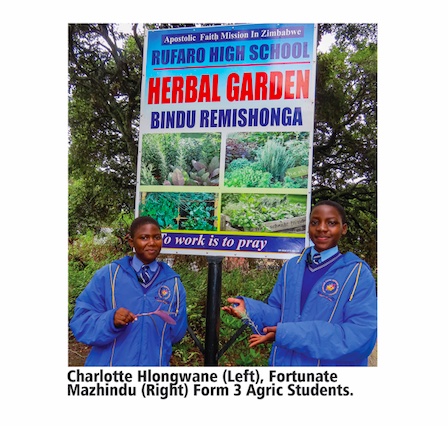
Form 3 Agriculture student, Fortunate Mazhindu said herbs in the school garden treat many conditions.
Charlotte Hlongwane, another Agriculture student said the project is done by the Agriculture Department together with the Environmental Club.
“We have nurses and the general community coming to get the natural herbs from our garden,” said Hlongwane.
More than just a health resource, the garden is also an educational tool. Learners receive hands-on lessons on plant science, environmental responsibility, and traditional healing practices. This practical learning experience encourages curiosity and strengthens the connection between classroom knowledge and real-life applications.
The impact of the garden extends beyond the school gates. Excess herbs are sold to the surrounding community, providing residents with affordable access to traditional medicinal plants. This small-scale enterprise not only supports local wellness but also generates income that is reinvested into school projects.
Teachers, parents, and learners alike have praised the initiative for promoting health, sustainability, and community engagement. As the garden continues to flourish, it stands as a model for how schools can creatively combine education, entrepreneurship, and traditional knowledge to benefit both learners and the wider community.