CATHERINE MUROMBEDZI
CORRESPONDENT
Every single day, more than 26,000 lives are quietly cut short by cancer. Annually, the disease strikes an estimated 20.6 million people and claims nearly 10 million lives, solidifying its place as the world’s second-biggest killer behind heart disease. (WHO)
If these numbers sound staggering, public health officials warn we are merely looking at the fuse of a much larger explosion.
According to the WHO Global Status Report on Cancer 2026, released jointly with the International Agency for Research on Cancer (IARC), the world is on track to hit nearly 35 million new annual cancer cases by the year 2050, nearly doubling the current global burden.
The real crisis unfolding across the globe isn’t just medical. It is structural, financial and deeply unequal.
The most damning revelation in the report is not how fast cancer is growing, but who gets to survive it.
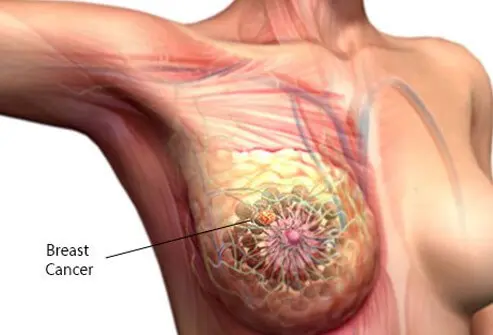
Take breast cancer, for instance, if a woman is diagnosed in a high-income country, she has an 87% chance of surviving five years past her diagnosis.
If that same woman is born in a low-income nation, her chance of survival plummets to just 42%.
”Cancer is a deeply personal disease that touches nearly all of us. But whether a person survives cancer should never depend on where they were born or what they earn,” said WHO Director-General Dr Tedros Adhanom Ghebreyesus.
The stark divide is driven by a massive chasm in health infrastructure and medication access.
While wealthy nations enjoy availability rates between 68% and 94% for the top 20 priority cancer medicines, that availability drops to a dismal 9% to 54% in low- and lower-middle-income countries.
Shockingly, fewer than one in three countries currently include cancer care in their universal health coverage packages.
Behind every statistic is a household pushed to the brink. For the first time, the WHO surveyed people directly affected by cancer, shedding light on the devastating social and financial ripples of the disease.
The diagnosis is often just the beginning of a second, parallel crisis. Forty-five percent of families experience severe financial hardship due to medical costs.
More than half of patients report suffering from mental health challenges.
Nearly all caregivers report severe strain, battling social isolation and the crushing weight of providing unpaid, around-the-clock services.
“Cancer is not just a medical diagnosis — it profoundly, indefinitely affects every aspect of a person’s life, and their family’s as well,” says Clarissa Schilstra, a childhood cancer survivor who helped lead the WHO survey.
Schilstra is urging world leaders to look past the charts and listen to the people living through the trauma to build more empathetic health systems.
There is a silver lining in the report, though it is a frustrating one. Nearly 40% of all cancer cases worldwide are entirely preventable.
Historically, massive public health pushes have worked. Global tobacco use has dropped by 27% since 2010, which has already caused lung cancer rates to dip in regions that strictly enforced anti-smoking policies. Similarly, expanded vaccination programmes for HPV (which causes cervical cancer) and Hepatitis B and C (linked to liver cancer), alongside cleaner water and sanitation, have caused infection-related cancers to decline.
Furthermore, political will is rising; 82% of countries now have national cancer control plans, up from just half in 2010.
Yet, as old threats are curbed, a new lifestyle crisis is emerging.
”The cancer profile is evolving, increasingly driven by rising rates of obesity, physical inactivity, unhealthy diets, and air pollution,” warns Dr Elisabete Weiderpass, Director of the IARC.
“Cancer prevention must remain a political priority.”
Lung cancer remains the leading cause of cancer death globally. For men, the primary threats remain lung, prostate, and colorectal cancers. For women, breast, lung, and colorectal cancers make up the vast majority of the burden.
To avert the projected 2050 catastrophe, the WHO says the global medical community must undergo a “fundamental shift” toward a people-centered approach.
The report outlines three strategic pillars for governments to adopt immediately:
Better Capabilities: Fully integrate cancer care into universal health coverage and heavily invest in healthcare workers.
Better Protections: Put patients and families with lived experience at the centre of hospital system designs while strengthening financial safety nets.
Better Value: Force research, clinical trials (which have been growing at 7.3% annually), and pharmaceutical innovations to align with public health needs rather than profit margins, ensuring equitable access to care.
The core message out of Geneva is clear: the terrifying projections for 2050 are not set in stone. They are the trajectory of our current choices. Reversing the trend will require world leaders to treat equity not as a secondary philanthropic goal, but as a hard-coded medical necessity.
Feedback: [email protected]