BY TAPFUMA MACHAKAIRE
A 2012 vision by three young men who established an organisation to address rising youth unemployment and juvenile delinquency in some of Bulawayo’s oldest suburbs is poised to become the panacea for challenges including high HIV prevalence, drug abuse, and gang violence.
The three youths, who initially operated under the guidance of the National AIDS Council’s Bulawayo Province arm, the Young People’s Network (YPN), registered a trust, DOT Youth Health, in 2014 to address the welfare of idle youths.
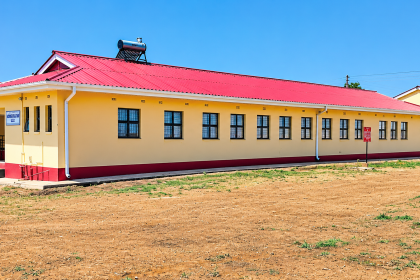
DOT Youth Health, which operates from Isilwane Youth Centre in Old Pumula, is one of the projects visited by forty journalists from across the country during a five-day media tour of NAC-supported projects in Bulawayo and Matabeleland North Provinces. The tour began on Monday, 1 June 2026.
For ease of management and programme implementation, NAC divided Bulawayo into six districts: Bulawayo South, Bulawayo North, Emakhandeni, Luveve, Magwegwe, and Nkulumane.
Magwegwe District, which covers five wards, has a population of over 150,000. The Brother to Brother programme, implemented by DOT Youth Health, was developed from the results of the District Response Initiative (DRI) conducted by NAC in the city. “We identified HIV hotspots in Wards 18 and 19 through increased cases of sexually transmitted infections among boys aged 10 to 24,” said Kenneth Ncube, NAC District AIDS Coordinator for Magwegwe District.
Ncube said after initially implementing the project in some wards, NAC eventually entered into a social contract with DOT Youth, who now implement the programme in all seven wards of Magwegwe District.
Vezubuhle Ncube, DOT Youth Project Director, told journalists that the Brother to Brother model, which uses a peer education approach, is helping address poor moral standards associated with congested residential areas in some of the city’s oldest suburbs that include Old Pumula and Old Magwegwe
Under the programme, ten mentors are each assigned fifty mentees for a twelve-month period. The mentors “honest and reliable” young men are selected through a process involving community leaders and interviews with a panel of experts.
The mentees are mostly vulnerable, idle youngsters, some of whom are referred by partner organisations operating in the district.
Thirty-eight-year-old Makhosi Ndebele, who has mentored 150 youths, was moved by the case of one of his mentees from Luveve who was recruited at age 13.Ndebele said the juvenile, Talent (not his real name), was using drugs and out of school when he joined the programme in 2024.
Due to his wayward behaviour, the boy was constantly in and out of a rehabilitation centre.“I knew Talent’s father from church. He used to tell me distressing stories about the young man, including allegations that he would steal items from home and sell them to raise money for drugs and alcohol,” said Ndebele. He said he eventually met the boy at a youth rehabilitation centre when he was conducting a skills training session. “After his release from the centre, I began to engage the boy and eventually enrolled him in the Brother to Brother programme.”Ndebele said Talent is now a reformed young man. “I am now trying to get him enrolled at a vocational skills training centre so he can become self-reliant.”But the big question hanging over the programme’s success is: What happens to the youths after completing the year-long mentorship programme?
Douglas Moyo, NAC Bulawayo Programmes Manager, said there is a need to cement partnerships with sister organisations that will take over the reformed boys for other programmes.