Zimbabwe is rolling out two HIV prevention shots a year. The drug is Lenacapavir. It prevents HIV and demand is fast rising, so is misinformation.
From 2016, HIV prevention had been in daily oral tablets which saw some clients reporting pill fatigue thereby, missing does. With pre-exposure prophylaxis (PrEP) now in twice-yearly injectable, many taking the oral pill expressed excitement to switch over.
Being a prevention tool, one is tested for HIV and only when found to be HIV negative is one then eligible.
In February, Zimbabwe started small with twelve clinic disbursing 2,000 doses. By May, 1,478 people had already been started on the prevention injection, faster than projections suggested.
Now the scale-up is real. The Global Fund and the US Government have added funding for 43,000 more doses. Zimbabwe’s target for 2026 is 46,500 users. That’s a 23-fold increase in less than a year.
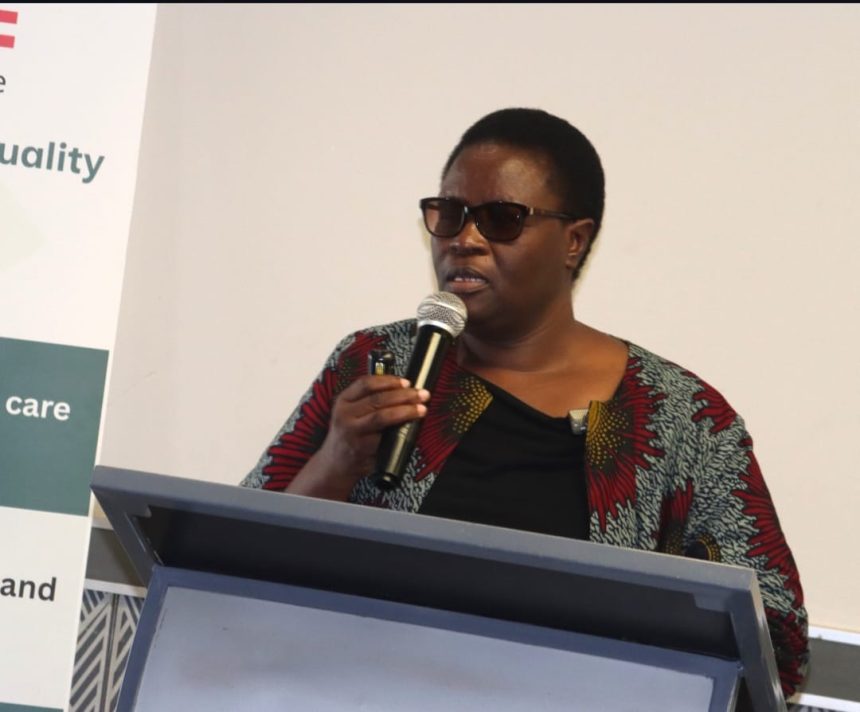
The announcement came at a media training recently held in hybrid form in Harare. It was run by the Ministry of Health and Child Care.
Organisation for Public Health Interventions & Development (OPHID) and the Health Communicators Forum of Zimbabwe hosted the training. The US Government supported the programme. Journalists, health workers and communicators attended to get the facts right.
Such media training is vital as misinformation on Lenacapavir is rife. In Zimbabwe, Lenacapavir is used for prevention.
Gertrude Ncube from the Ministry of Health and Child Care said the new funding allows Zimbabwe to expand the rollout to reach more.
“The US government requested us to budget for another 43,000 clients,” she said.
“So in total, we will have about 46,500 clients receiving Lenacapavir this year.”
That funding removes a major constraint.
The early data shows who is coming forward. Women make up 67% of users. That’s 991 of the 1,478 people started so far. Health officials say this reflects both need and trust in the method.
Most users are between 25 and 39 years old. The 30-34 age group is largest, 266 people, at 20%. The 35-39 group is close behind with 248 people. These are adults in their most sexually active years. They are choosing prevention that fits their routines.
Adolescents are not yet coming in large numbers. Only 33 people aged 15-19 started. That’s 2%, uptake also declines among adults over 45. Health officials say this points to gaps in outreach and awareness. Universities need to be reached with the awareness to appreciate uptake of Lenacapavir. According to the National AIDS Council, local universities have been reported to be experiencing an increase in sexually transmitted infections (STIs) and HIV with girls disproportionately affected than their male counterparts.
Dr Idah Moyo, heading the Ministry of Health’s HIV Prevention Programme said the first phase showed unexpectedly high demand. Some clients travelled long distances to access the injection.
“Lenacapavir is a convenient and duscreet prevention tool. Clients who prefer the injectable don’t have to take medication daily like the oral pill which Zimbabwe has been using since 2016. It is becoming a preferred prevention method because convenience matters, so does privacy. A twice-yearly injection reduces the need to store and take pills daily,” said Dr Moyo.
Distance remains a challenge as few sites offer the injection. Clients come from outside their local facility’s catchment area. That complicates follow-up and monitoring in facilities still using the paper trail. Health workers prefer to track patients within their catchment area to ensure timely re-dosing and support.
Expansion will address part of this. More sites are planned for 2026. However, access alone is not enough. The programme also needs clear information and community trust. The media, when trained for effective communication become a partner for dissemination because misinformation is a barrier. It spreads quickly and can undermine uptake.
Dr Pugie Chimberengwa, the Technical Director at OPHID said many people still believe Lenacapavir is a vaccine. It is not.
“Lenacapavir is prevention medication. It is not a vaccine, ” Dr Pugie Chimberengwa said.
“It works like taking malaria prophylaxis before travel. The goal is to prevent infection. So Lenacapavir is taken prior because it is for prevention.”
The distinction matters. A vaccine stimulates the immune system. Lenacapavir blocks the virus directly. If people misunderstand this, expectations and adherence can suffer. Misconceptions tend to persist even after correction. An effective media makes communication effective, awareness is early, accurate and such communication is critical.
Dr Ponesai Nyika, the Ministry’s Communications and Demand Generation Consultant said awareness of PrEP remains low. Fewer than half of Zimbabweans know any form of pre-exposure prophylaxis exists.
This is where effective journalism matters.
“If the media reports inaccurately, misinformation spreads faster than the programme. A headline that calls Lenacapavir a “vaccine” misleads readers. A story that omits the dosing schedule can lead to missed injections. A report that ignores side effects or eligibility criteria erodes trust,” Dr Ponesai Nyika said.
Accurate reporting gives people the information they need to make informed decisions. It explains who the drug is for, how it works, where to access it and what to expect. It counters myths before they become entrenched in communities.
The Harare training aimed to close that gap. OPHID and the Health Communicators Forum brought journalists together with clinicians and programme managers. The goal was to provide clear, evidence-based information. When journalists understand the science, they can translate it for the public. Clear translation builds trust and supports uptake.
Public health experts see Zimbabwe’s rollout as a test case. Can a health system scale a new prevention tool quickly while maintaining quality and follow-up?
Can communication keep pace with science?
The data so far suggests progress, but gaps remain. Demand is highest among women aged 25-39. Sites are still limited. Awareness is low among adolescents and older adults. Misinformation is already circulating.
Reaching 46,500 users in 2026 will require three things.
● Firstly, expand service points, because more clinics reduce travel time and improve follow-up.
● Secondly, invest in sustained public education, communities need accurate information on what Lenacapavir is, who it benefits and how to access it.
● Thirdly, support accurate journalism, refresher courses, training like the one held by OPHID need to be held more often. Every article, broadcast and post shapes public understanding. If reporting is precise, the programme can move forward. If it is not, rumours will fill the gap. Wild news spreads fast like a pandemic.
Dr Moyo said the interest is clear. People are coming forward, but interest must be matched with access and reliable information.
Lenacapavir is effective. The evidence supports its use for HIV prevention. The challenge now is implementation and communication.
The next 12 months will show whether Zimbabwe can meet demand while maintaining quality care. For researchers and public health practitioners, this rollout offers lessons on scaling innovation, managing supply and communicating risk and benefit.
The demand is here. The programme is rolling out. The next step is ensuring the information rolls out with it.
● Feedback: [email protected]