CATHERINE MUROMBEDZI CORRESPONDENT
In the heart of the Glen View Area 8 home industries in Harare, is a testament to the resilience and entrepreneurship of Zimbabwe’s community-based enterprises.
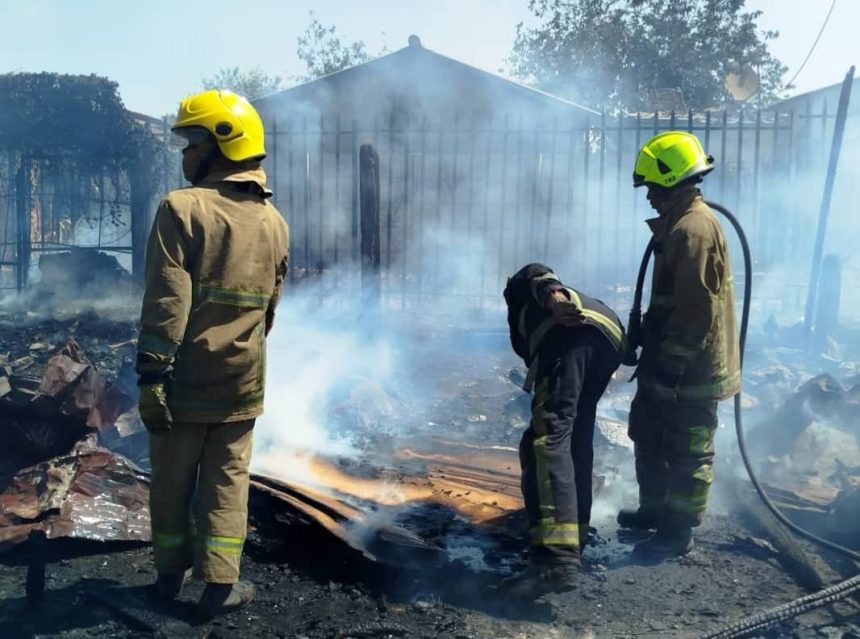
The fire destroyed 483 stalls and affected over 2 000.
The home industries complex, a vital economic lifeline for thousands of families and small-to-medium enterprises, has suffered at least 14 devastating fire outbreaks over the last two decades, causing estimated cumulative losses exceeding US$3 million.
The City of Harare’s fire brigade responded swiftly, containing the fire before it spread to nearby houses.
Yet, this bustling hub is repeatedly ravaged by fires and it appears to have been normalised, normalising the abnormal. For too long, these tragedies have been met with empty promises from government officials and city fathers about relocating traders to safer grounds. Meanwhile, the cycle of loss and rebuilding continues unabated.
The community-based economy in Zimbabwe is vibrant, much like in many African countries, is a lifeline for millions. However, the absence of a safety net leaves traders vulnerable to catastrophic events like the fires at Glen View and Mbare. Insurance, a crucial tool for risk management, remains out of reach for most due to prohibitive costs, with premiums starting at US$20 a month. Many said the figure was unattainable, because many families are struggling to make ends meet.
Speaking at the insurance conference in Victoria Falls, Dr Prosper Chitambara, Economist at the United Nations Resident Coordinator’s Office, has called for financial sector reforms to be aligned with both national development priorities and global goals.
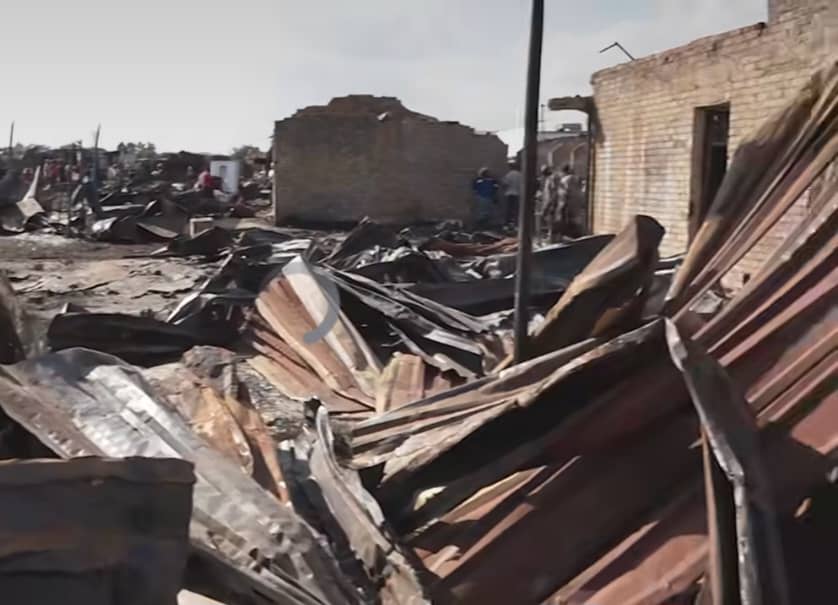
The remains of the once vibrant Glen View Area 8 home industries after fire gutted out the complex.
Speaking on the role of insurance and pension funds, he noted that the sector holds significant untapped potential to drive long-term growth.
“Insurance and pension funds are among the most important sources of long-term domestic capital,” Dr Chitambara said.
“They can finance infrastructure, support industry and strengthen social protection,” said Dr Chitambara.
He warned, however, that this potential remains constrained by low coverage and structural weaknesses.
Pension coverage sits below 40% of the labour force, while uptake of formal insurance products remains limited. Traditional models have struggled to serve Zimbabwe’s large informal economy, where irregular incomes and low financial literacy make standard products a poor fit.
Yet the community industries — traders, artisans and small-scale operators, drive much of the country’s economic activity, often without any form of cover.
Unlocking the sector’s power, Dr Chitambara argued, will require products and distribution models designed around the realities of lived experiences of the informal livelihoods.
Recognising the significant role of the “informal sector,” which I prefer to call community based industries, the Insurance and Pensions Commission (IPEC) has invited abstracts to help shape engagement strategies aimed at this vital part of the economy. Winning abstracts will be announced in June.
Kenya offers an inspiring model with its micro insurance initiatives tailored to the needs of community-based enterprises.
The Insurance Regulatory Authority (IRA) in Kenya has spearheaded the development of a Micro Insurance Policy targeting the 38 million Kenyans without coverage.
This initiative underscores the importance of inclusivity and accessibility, offering products with small, flexible premiums through mobile platforms. Such models have proven successful, with programmes like AfyaPoa and Kilimo Salama providing comprehensive coverage to small-scale farmers and community-based workers, including boda boda operators.
AfyaPoa, for instance, bundles health, income loss and business loss coverage, and has already seen success in its pilot phase, covering 1,200 people in just six months. Similarly, Kilimo Salama leverages technology to offer crop insurance via mobile phones, ensuring that payouts reach farmers directly through virtual money transfer, M-Pesa.
Zimbabwe’s community-based traders in areas like Mbare Siyaso, Glen View and many more dotted around the country, need a similar programme to break the cycle of vulnerability.
A micro insurance product akin to AfyaPoa could prevent fires from causing irreversible damage. With premiums as low as KSh20 weekly (approximately $0.15 US cents), paid via mobile phones, insurance could become accessible to even the most vulnerable. Insurance should bridge risk, that is the purpose.
John Phiri, a dedicated entrepreneur who crafts beds and sofas, reflects on his experiences with the fires: “In 2019, I watched as my hard work went up in flames. It took years to rebuild, but this fire in May 2026 shattered everything again. Without insurance, each fire leaves us starting from zero. We need a system that helps us stand up, not just empty promises.”
Samuel Fambai, a skilled carpenter specialising in doors and cabinets, shares a similar story of loss.
“After the 2019 fire, I managed to rebuild slowly. But now, after the recent fire, it feels like we are in an endless cycle of loss. I rebuilt my venture using funds from chimbadzo, the repayment was high, I ended up losing the very truck I used for business. Right now, I hire one and it is expensive. If we had access to affordable insurance, maybe we could focus on growing our businesses instead of constantly recovering.”
Chimbadzo are loans offered by unregistered money lenders. The premiums are high ranging from 20% and above monthly. Without collateral, many fail to qualify for bank loans.
The recent discussions IPEC @20, held in Victoria Falls highlighted a consensus that the future of insurance lies in systems that are inclusive, digital and responsive. However, turning these ideas into actionable reforms requires commitment and collaboration between the government, insurance companies and the community. Expanding coverage, strengthening governance and restoring confidence in long-term protection are essential steps forward.
Zimbabwe must learn from Kenya’s success and embrace micro insurance as a viable solution for its community-based enterprises.
Without this shift, the majority will remain exposed to the next market fire or economic shock, perpetuating a cycle of poverty and instability. The time for action is now and the solution is within reach.
● For feedback and further discussion, please contact: [email protected]