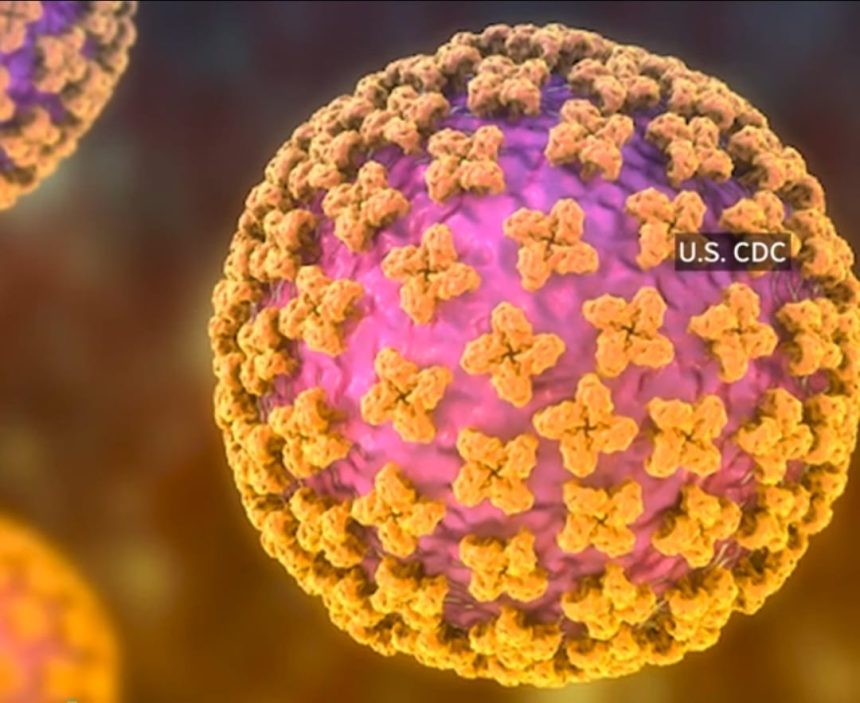
An outbreak of hantavirus has been reported on the expedition cruise ship MV Hondius. This vessel departed from Ushuaia, Argentina, on April 1 for an Antarctic voyage, carrying 150 passengers. By May 6, the World Health Organiaation (WHO) confirmed eight cases associated with this voyage, including three fatalities.
Additionally, a case was confirmed in Switzerland in a traveller who had been on the ship.
Hantavirus is a group of viruses naturally carried by certain rodent species worldwide. Human infections are rare and typically occur through direct contact with the droppings, urine, or saliva of infected rodents, which can become airborne in enclosed spaces.
In early May 2026, health authorities identified a cluster of hantavirus cases among passengers on the MV Hondius. Laboratory tests confirmed the presence of the Andes virus strain, native to parts of South America. Unlike most hantaviruses, the Andes strain can be transmitted between people through close, prolonged contact. Argentine officials suggest that the initial cases may be linked to exposure during a shore excursion near Ushuaia before the cruise.
The ship is currently under medical supervision off the coast of Cape Verde, with passengers and crew adhering to isolation and monitoring protocols in line with standard public health practices for communicable diseases. One passenger has been reported to have been transferred to a hospital in South Africa and is in intensive care unit.
Health agencies in the United Kingdom and other countries are conducting contact tracing for passengers who disembarked earlier in the journey.
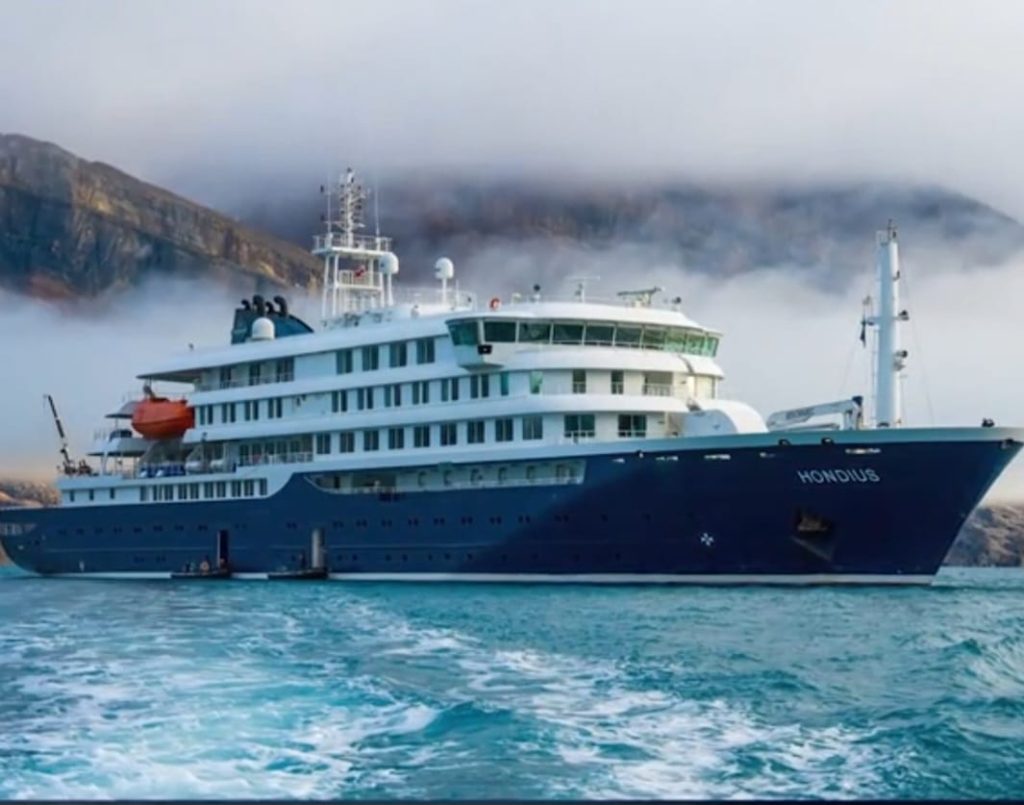
A cluster of hantavirus has been reported on the MV Hondius Cruise Ship.
Public Health Implications
The WHO has stated that the overall risk to the general population remains low. Hantavirus does not spread through casual contact, and the person-to-person transmission of the Andes strain requires sustained close interaction. Most hantavirus infections globally result from inhalation of aerosolised particles in rodent habitats, not from person-to-person spread.
Hantavirus pulmonary syndrome, the respiratory illness associated with this strain, begins with non-specific symptoms such as fever, muscle aches, and fatigue.
Early medical attention improves outcomes, although no targeted antiviral treatment or vaccine currently exists. Standard care focuses on supportive measures like oxygen therapy and fluid management.
Context and Background
Hantavirus infections are rare but have been documented for decades. In the United States, more than 800 cases have been recorded since 1993, primarily in western states where the deer mouse is common. In South America, isolated cases occur regularly, particularly in rural areas of Argentina and Chile.
The 2026 MV Hondius incident is the first documented outbreak of hantavirus on a cruise ship. It is being managed through established international health protocols, with coordination between the WHO, national health authorities and maritime officials.
Health experts continue to monitor the situation and provide updates as new information becomes available. Travellers are advised to follow routine health guidance from their national health agencies and seek medical advice if they develop flu-like symptoms after potential exposure to rodents or travel to affected regions.
Feedback:[email protected]