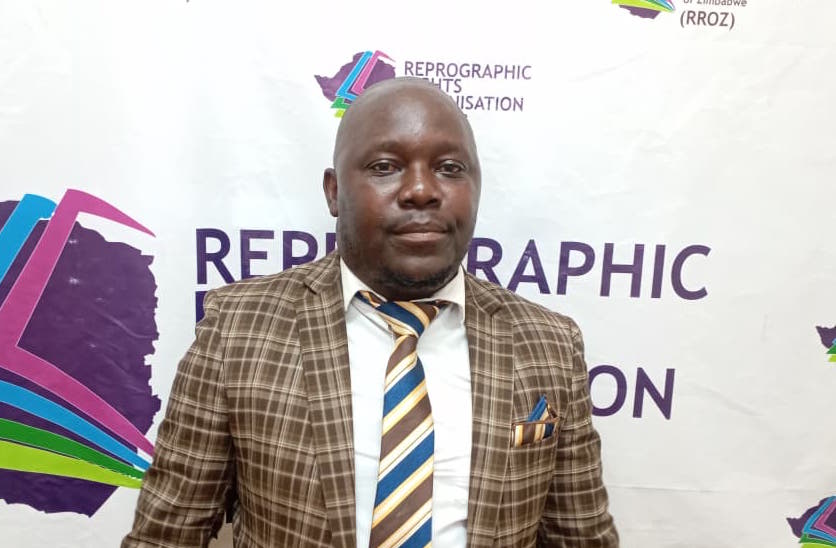
MASVINGO – Police General Headquarters in Harare has instructed Officer Commanding Masvingo Province, Fredrick Mbengwa to immediately stop activities of Reprographic Rights Organisation Zimbabwe (RROZ), a body that is going around with cops in town demanding US$300 copyright licence fees from business people.
There is an outcry in Masvingo from the business community which strongly feels that RROZ is swindling them by demanding copyright fees which they don’t know or understand. RROZ claims to represent publishers, artists and other content producers under Zimbabwe’s Copyright Law by collecting the fees which it will pay to content creators.
The organization has been knocking at the doors of publishers, embroidery companies, photocopying companies, tailors and shop owners demanding copyright licences. The organization orders that those without the licences pay US$300 or avail themselves at the nearest Police station within seven days.
National Police Spokeperson, Commissioner Paul Nyathi told Masvingo Mirror in an interview that RROZ’s activities are not sanctioned by the Police and on Tuesday PGHQ ordered Commissioner Mbengwa to stop the organisation’s activities after receiving a report from the newspaper.
He said that RROZ must not abuse Police name and PGHQ operations has been alerted to this.
“What they are doing is not sanctioned by the Police and I have asked Officer Commanding Masvingo to stop them with immediate effect. I have also engaged PGHQ operations to make sure that RROZ does not abuse Police name,” said Nyathi.
He said for RROZ must get clearance from the Ministry of Education if it wants to carry out its activities in schools or the Ministry of Information and Publicity if it wants to visit media organisations.
RROZ Chief Executive Officer, Antony Rimau said the organisation’s mandate is to ensure that writers and publishers are fairly compensated and to curb widespread book piracy. He said licensing applies primarily to educational institutions, libraries and commercial entities that reproduce copyrighted material.
“We are operating within the law,” Rimau said, adding that awareness campaigns are being conducted to educate businesses about compliance requirements.
He said that RROZ was granted a Certificate of Registration as a Collective Management Organisation (CMO) on October 22 ,last year, in terms of the Copyright and Neighbouring Rights Act. The registration, he said authorises it to collect royalties on behalf of authors and publishers for the reprographic use of their works, including photocopying and scanning.
One printer who spoke on condition of anonymity said they are also creators and must benefit from the royalities collected but the whole process is wrapped in obscurity.
“We have operating licences from our council and we are up to date with our tax at Zimra who have issued us tax clearances. We don’t need more licences,” he said.
Some small-scale operators also argue that they are being unfairly targeted. A Masvingo-based photocopy shop owner said the requested fees were unclear and the process lacked sufficient explanation.
Legal analysts say collective management organisations are common internationally, but their legitimacy depends on regulatory oversight and clear communication with stakeholders.
The Ministry of Justice has not yet publicly commented on the concerns raised.
uyu