Part Two: A glimpse into a few winners
In a world where the persistent whisper of imposter syndrome often suggests “you are not good enough,” women in medicine frequently find themselves shrinking, hesitant to claim the spotlight they have earned through years of rigorous study and clinical sacrifice. Women masterfully weave communities together, acting as the glue in both domestic and professional spheres, yet they rarely receive the standing ovation their labor demands. This is a story about shattering that silence and reclaiming the narrative of female excellence in healthcare.
A queer socialization—one that rewards female modesty while celebrating male ambition—often forces women to downplay their pivotal roles. In many cultures, women are conditioned to believe that “clapping for oneself” is a sign of vanity rather than a benchmark of achievement. Consequently, the immense contributions of female clinicians often remain buried under the weight of humility.
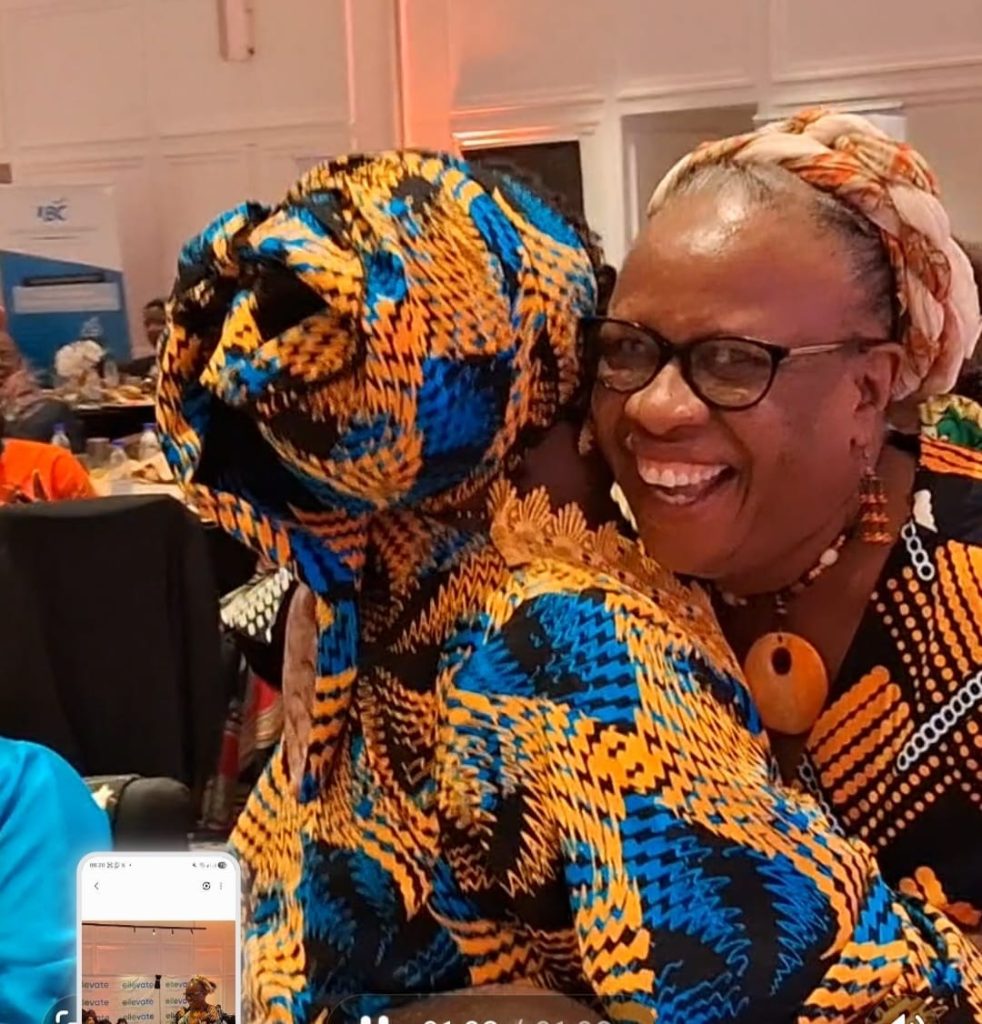
Sisterly embrace, Dr Anna Mary Nyakabau pats Dr Harunavamwe Chifamba who is all smiles for getting the Medical Leadership Award.
A RECOGNITION OF QUIET SACRIFICES
The recent awards ceremony hosted by the Zimbabwe Women Doctors Association (ZWDA) was designed to dismantle these barriers. It was not a competition in the traditional, cutthroat sense; rather, it was a profound recognition of the quiet sacrifices made behind the scenes.
”The event was not a competition, it was recognition of the quiet sacrifices made behind. Each award featured citations drawn directly from community testimonials, highlighting the real-world of medicine.”
Every nominee was a winner, as the citations were not merely professional CVs but living testimonies from patients, students, and peers.
The room was filled with a rare energy—a collective sigh of relief and a thunderous round of applause for women who usually find themselves far from the limelight, tucked away in sterile theaters or remote clinics.
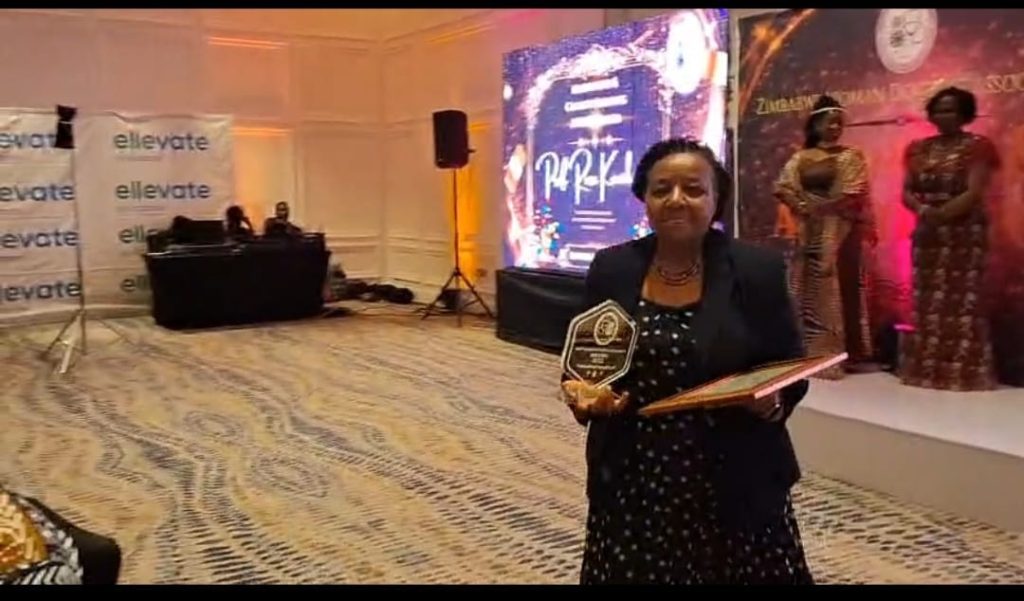
Prof Rose Kambarami walked away with the Mentorship and Capacity Building Award.
Challenging the Narrative of Humility
Dr Joyce Sakala, President of the Women Medical Doctors of Zambia and the Eastern and Southern Association of Women Doctors, graced the dinner in Harare with a stirring keynote that set the tone for the evening. She opened by directly challenging the antiquated “narrative of humility” that stunts professional growth. ”For too long, we have been told that brilliance is a deterrent to marriage or that success is synonymous with bragging,” Dr. Sakala noted. “But as we drive toward genuine gender parity, we must unapologetically share our stories. If we do not document our triumphs, the history of medicine will continue to be written in a single gender.”
Dr Sakala highlighted the legacy of the Medical Women’s International Association (MWIA), founded in 1919. For over a century, the MWIA has been the vanguard for maternity leave rights, work-life balance, and career progression. She argued that women are uniquely positioned to lead the medical sector because they experience healthcare from every possible angle: as primary caregivers at the domestic bedside, as practitioners navigating systemic bureaucratic challenges, and as proactive health seekers for their families.
Mending the “Leaky Pipeline”
Despite their competence, Dr Sakala observed a “leaky pipeline” within the region. While women dominate medical school enrollment, they often vanish from top-tier leadership roles, such as hospital boards and ministry appointments. ”Organizations thrive when leadership is gender-inclusive,” she asserted, acknowledging the “impossible choices” women face. Many are forced to balance grueling medical residencies with motherhood in systems that were never designed for them. By celebrating the nominees, she urged the veteran doctors in the room to continue passing the baton, ensuring that the next generation does not have to choose between their stethoscopes and their personal lives.
THE PIONEERS: PROFILES IN EXCELLENCE
The awards highlighted several luminaries whose work has redefined the medical landscape in Zimbabwe and beyond.
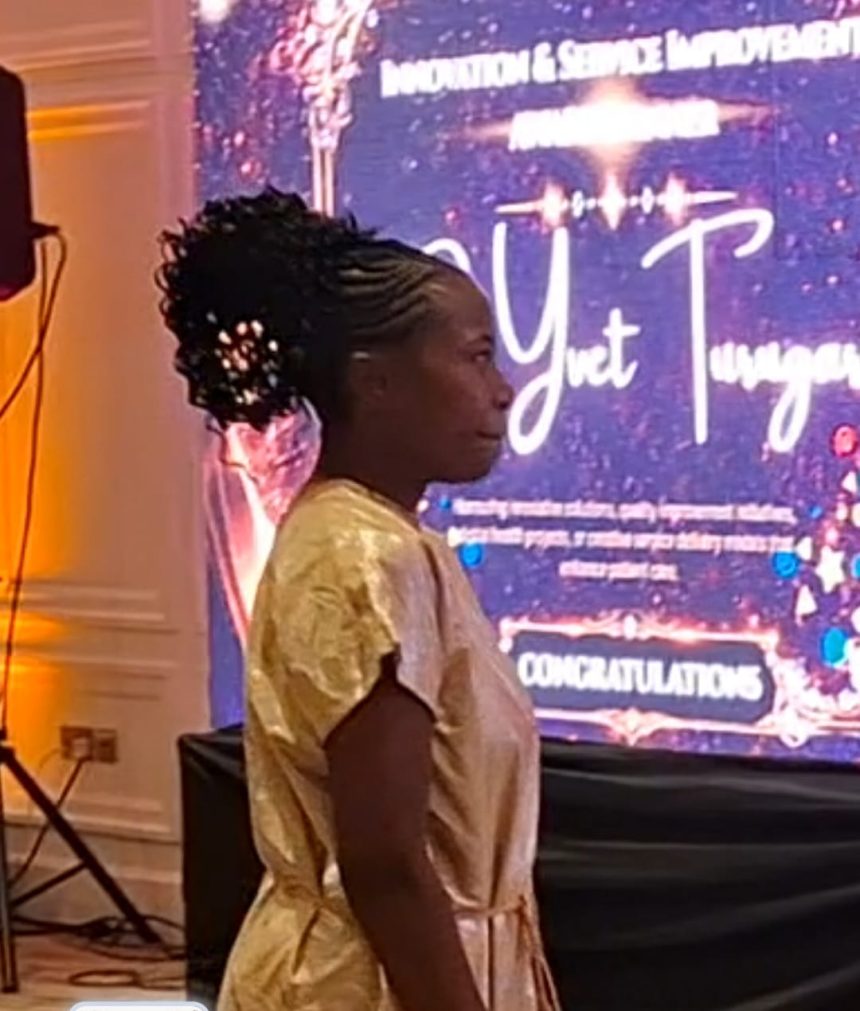
-Professor Rose Kambarami. A renowned academic and researcher was recognised for her lifelong dedication to empowering women in Africa. As the Founding President of the ZWDA (2019), she laid the foundation for a network that provides both emotional and professional scaffolding for female doctors. She walked away with the award for Mentorship and Capacity Building, a testament to the hundreds of students she has ushered into the profession with grace and rigour. -Dr Yvet Turugari is a digital divide force in Zimbabwe’s healthcare sector. She bagged both the Innovation and Service Award and the Barrier Breaker Award. As a Clinical Informatics Specialist, she is bridging the gap between urban centers and rural outposts through telemedicine. Her work with CarePlug allows patients in remote areas to share vital signs with specialists in real-time. Beyond the clinic, her “Be That Girl Initiative” ensures that young girls gain the coding and computer skills necessary to lead the future of digital health.
- Dr Harunavamwe Chifamba: Leading Under Pressure A Consultant Anaesthetist and Global Surgery Leader, Dr. Chifamba operates in the high-stakes, resource-constrained environment of Sally Mugabe Hospital in Harare. Winning the award for Leadership, she was cited for her “corridor mentorship.” In the frantic pace of a public theater, she remains a pillar of calm, guiding junior doctors and nursing staff through complex procedures. Her leadership is not defined by an office door, but by the improved surgical outcomes of the patients under her care.
SCALING THE WALLS OF RESISTANCE
The path to these accolades is rarely paved with ease. Female physicians in Zimbabwe and across the continent face a “double burden” of professional rigor and traditional societal expectations. The “glass ceiling” in medicine is often reinforced by a “sticky floor” of domestic responsibilities and systemic biases.
From navigating gender-based discrimination in surgical theaters to the lack of flexible working hours for breastfeeding mothers, the barriers are structural and deeply ingrained. Many women report having to work “twice as hard to be considered half as good,” constantly proving their clinical competence in a field where seniority is often mistakenly equated with masculinity.
Yet, as evidenced by the ZWDA winners, women are not just surviving these hardships—they are scaling them. They do so through intentional networking, radical resilience, and a refusal to accept the status quo. By building their own tables when they are not invited to sit at existing ones, these doctors are transforming the “leaky pipeline” into a robust reservoir of talent.
THE ROAD AHEAD: A COLLECTIVE RESPONSIBILITY The ZWDA awards served as a reminder that when women in medicine are celebrated, the entire healthcare system benefits. The “sweet recognition” by peers is more than just a trophy; it is a validation of the late nights, the emotional toll of patient care, and the relentless pursuit of excellence in a field that is still catching up to the reality of gender equity.
As the evening concluded, the message was clear: the era of shrinking is over. It is time for women in medicine to occupy the space they have earned, not just as practitioners, but as the visionary leaders the world desperately needs.
#WomenInMedicine #ZWDAAwards
Feedback: [email protected]