At the 2026 Conference on Retroviruses and Opportunistic Infections (CROI) in Denver, USA, the medical community gathered to discuss “good news, bad news” scenario regarding the latest breakthrough in HIV prevention: Lenacapavir. The recently approved HIV prevention drug marketing under the brand name Yeztugo.
While the drug remains a powerhouse in preventing HIV, new data from two massive clinical trials, PURPOSE I and PURPOSE II, have sparked intense discussion.
For the first time, researchers are looking closely at “breakthrough infections,” where a small number of people contracted HIV despite receiving their injections exactly on time.
The success story of high efficacy remains.
Before diving into the concerns, it is vital to look at the sheer scale of protection. Lenacapavir provides scientifically proved 100% prevention. The drug is a long-acting injectable administered just twice a year, making it a “low-burden” alternative to daily pills.
The PURPOSE I Study: Focused on over 5,300 cisgender adolescent girls and young women in sub-Saharan Africa.
Out of more than 2,000 women who received the Lenacapavir injections, only two became HIV-positive.
In contrast, there were 77 infections among the group taking daily oral PrEP pills.
The PURPOSE II Study: Included over 3,000 men who have sex with men (SMS) and gender-diverse individuals.
In this group, only three people on Lenacapavir contracted HIV, compared to 12 in the group taking daily pills.
Mathematically, the “incidence rate” for Lenacapavir was incredibly low (roughly 0.07 to 0.11 per 100 person-years). However, the fact that any infections occurred in people who had the correct amount of medicine in their system has left experts searching for scientific answers.
The mystery of the “breakthrough” now seizes researchers.
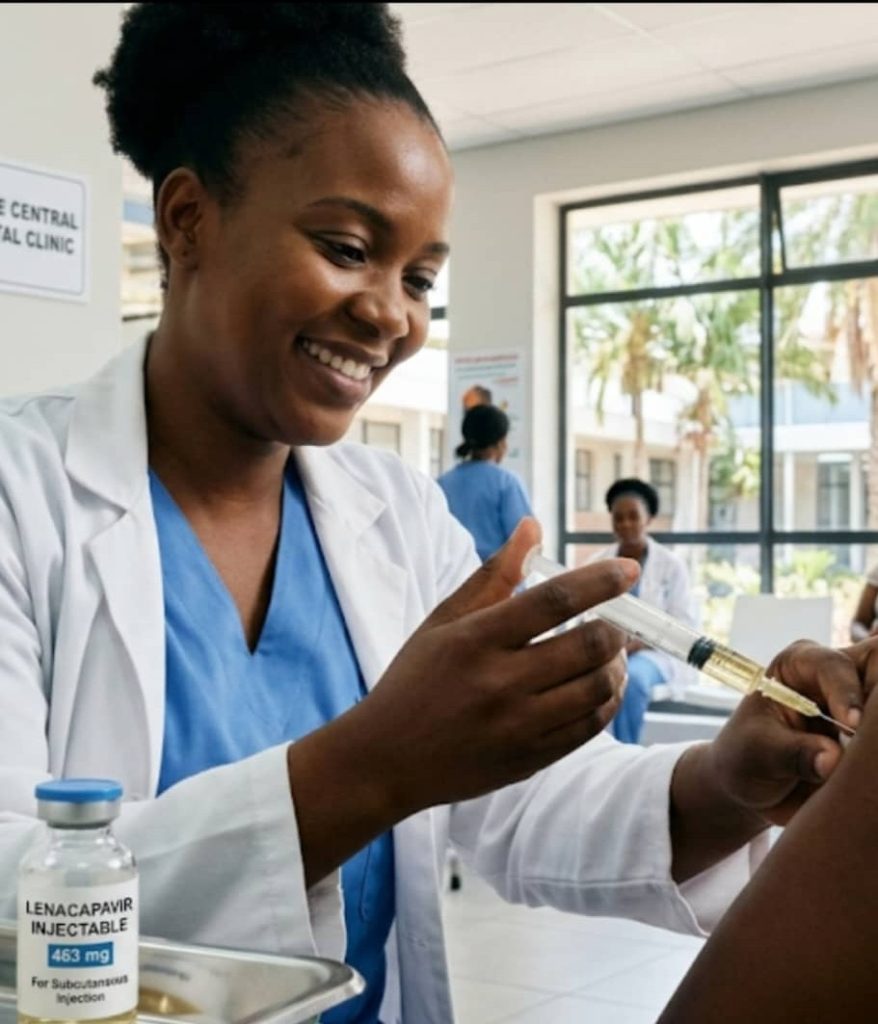
Researchers investigate rare “breakthrough infections” as the revolutionary Lenacapavir six-month PrEP injection rolls out across Africa.
The term “breakthrough infection” refers to someone who tests positive for HIV even though they followed the treatment plan perfectly. In these studies, four individuals fell into this category. They showed up for every appointment, received every shot on time, and had “target levels” of the drug in their blood at the time of infection.
”Why did the drug and prescribed shots fail to protect them?” asked one clinician during the conference Question & Answer plenary session.
“I think patients want to know, and I think we need that information soon. I’ve already had someone decline to use Lenacapavir because of these breakthrough infections.”
Currently, the researchers from Gilead Sciences, the drug’s manufacturer don’t have a definitive answer. Stephanie Cox of Gilead noted that while the company is digging into the data, “nothing is obvious or easy to understand kept coming up.”
The risk of drug resistance,
oerhaps is more concerning than the infections themselves. This could be a possibility of what happened to the virus inside those four individuals.
When a person has a high-potency drug like Lenacapavir in their system but the virus manages to take hold anyway, the virus can “learn” to survive the drug.
Researchers found that four of the five people who seroconverted (tested positive) developed resistance mutations.
This means that the specific strain of HIV they now have is less susceptible to Lenacapavir and potentially other similar drugs.
The researchers clarified that these patients didn’t catch a resistant strain, but, rather, the resistance developed because the drug was present while the virus was trying to replicate.
What this means is the emerging issue of drug resistance in replication.
Despite these rare cases, medical leaders are urging the public not to panic.
The overall message from CROI 2026 is that Lenacapavir is still one of the most effective tools ever created to stop the spread of HIV.
Hyman Scott, MD, MPH, medical director of San Francisco AIDS Foundation (SFAF), put the numbers into perspective: “The breakthrough infections are important to evaluate, but are extremely rare among the thousands of study participants. We have observed breakthrough infections in other forms of oral and injectable PrEP, but it doesn’t reduce our enthusiasm.”
It’s time for reality check.
It’s not 100% effective, but it’s close: No medication is 100% effective for every person, every time. However, a 99% efficacy rate is still a monumental achievement in public health.
The “Why?” is still being studied: Scientists are looking at biological factors, such as how different bodies absorb the drug or if specific immune responses played a role.
Cost remains a barrier: While the drug is scientifically “low-burden” (only two shots a year), it carries a high price tag of $28,000 plus per year in the US. This remains a major hurdle for global access.
Looking ahead remains positive.
The discovery of these breakthrough infections isn’t a reason to abandon Lenacapavir, but it is a reminder that HIV prevention is a constantly evolving field. For providers in places like Nigeria and Southern Africa, where the burden of HIV is highest, getting an answer to the “Why?” is the top priority for maintaining community trust in this new “miracle” injection.
For now, the advice from the medical community remains the same: PrEP, whether in pill form or the new twice-yearly injection, remains the most powerful way to stay HIV-negative.
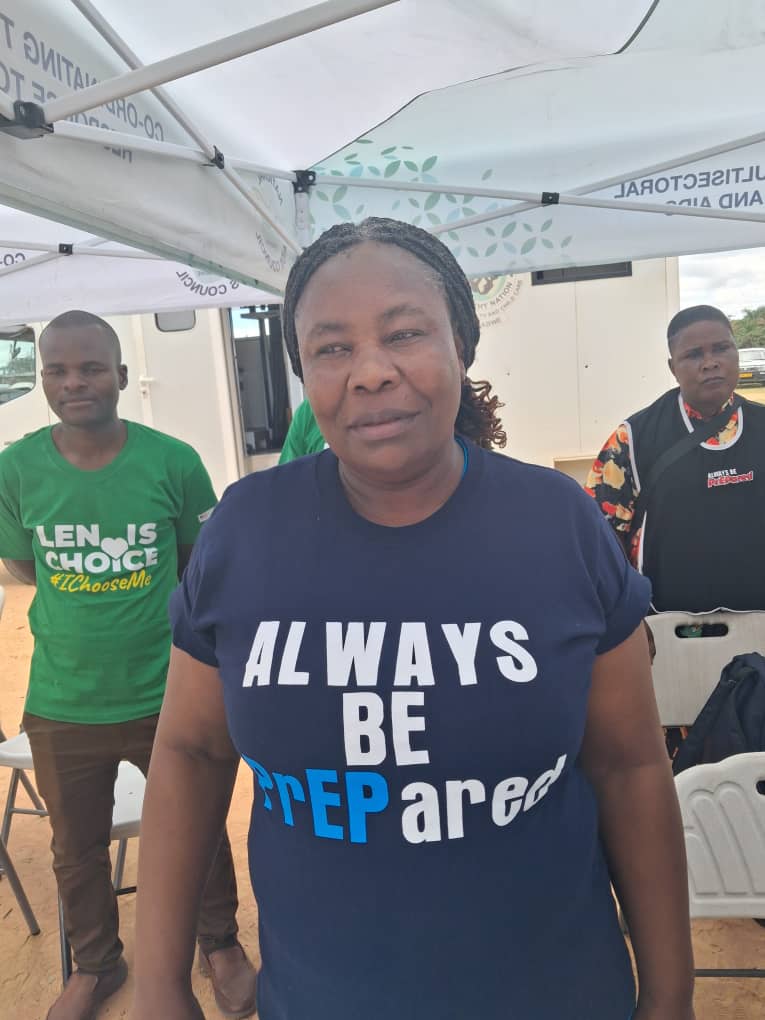
● Meanwhile, in Zimbabwe, South Africa, Zambia and Malawi, the drug was launched in February.
Zimbabwe officially launched the Lenacapavir (twice-yearly injectable PrEP) pilot on February 19, 2026, in Epworth, making it among the first countries globally to roll out this “game-changing” HIV prevention tool.
The launch in Epworth, a community just outside Harare, highlights the government’s strategy to reach high-density and high-risk areas first.
The pilot is supported by an initial batch of roughly 46,000 doses, funded through partnerships with the US government (PEPFAR) and the Global Fund.
The rollout is currently focused on 24 “hotmapped” sites across the country. These sites were selected based on high HIV incidence rates and “hotspots” where the need for discreet, long-acting prevention is most urgent.
The programme specifically targets adolescent girls and young women (AGYW), sex workers, and pregnant or breastfeeding mothers. These key populations often face barriers to daily pill adherence.
By using epidemiological “hotmapping,” Zimbabwe is ensuring that these limited initial doses go exactly where they can prevent the most new infections.
Health Minister, Dr Douglas Mombeshora emphasized that for prevention to work, it must “fit into real life,” and the 6-month window offers a level of privacy and convenience that daily PrEP simply can’t match.
● Feedback: [email protected]