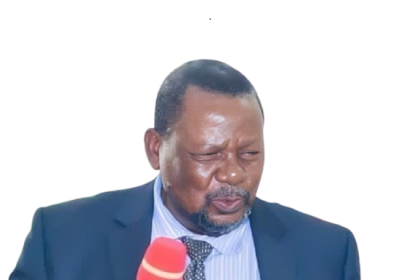
CHIPINGE – School heads in Chipinge District have been challenged to move beyond routine administration and become drivers of innovation and values-based education as government steps up implementation of the heritage-based curriculum.
The challenge was issued by Deputy Minister of Primary and Secondary Education, Angeline Gata during a high-level consultative meeting of school heads held at Chibuwe High School last week.
The meeting, convened by the Ministry of Primary and Secondary Education, brought together primary and secondary school heads, District Schools Inspectors (DSIs), and representatives from various government ministries to assess progress and map the way forward for education development in the district.
Addressing the gathering, Gata said school leaders were central to nation building through innovation and value driven learning anchored on Zimbabwe’s heritage.
“Innovation is the concept of our nation. It is the concept of our heritage based curriculum and the value education we are focusing on now. If our heritage is cemented on a strong foundation, wherever they go, Zimbabweans can be identified by their values,” said Gara.
Gata said the Ministry was committed to nurturing innovation, strengthening teachers and transforming schools to ensure learners are equipped for future challenges.
Manicaland Chief Director for Provincial Education Services, Richard Gabaza said the consultative meeting reflected government’s determination to strengthen coordination and improve responsiveness at provincial level.
“This high-level consultative forum is a clear demonstration of government’s commitment to strengthening coordination and strategic communication. It affirms the ministry’s resolve to adopt a whole of government approach in addressing challenges affecting us,” said Gabaza.
He noted that school heads remain key drivers of policy implementation at institutional level, adding that the engagement acknowledged persistent challenges facing provinces such as Manicaland.
“These include infrastructure gaps, student vulnerability, teacher accommodation shortages, disaster vulnerability and logistical constraints in border and mountainous communities,” added Gavaza.
Gabaza said enhanced communication between the ministry’s head office and provincial structures would help ensure that government interventions are aligned with realities on the ground.
Chipinge school heads challenged to drive innovation under heritage based curriculum