Part One: A milestone as the Ready-to-Use Therapeutic Food restores nutrition in children
As UNICEF marks three decades of Ready-to-Use Therapeutic Food,
(RUTF), a plumpy nut full nutrition, Zimbabwe’s clinics show a revolution in restoring nutrition in children. Despite the success stories, their still is work to be done ahead.
Before 1996, severe acute malnutrition in Zimbabwe almost always meant one thing, a hospital bed for a child severely malnourished, if you could reach one on time. Most children could not be accommodated for treatment for barious reasons. Malnutrition is best cared for from home. Treatment then relied on milk-based formulas that needed clean water, refrigeration and attention. Malnutrition is a balanced diet requirement not medication.
In rural districts, severe malnutrition meant death rates above 30%. Distances to be walked also contributed to mortality, minors couldn’t manage, so distance killed as the disease also did.
Then came a foil sachet filled with peanut paste.
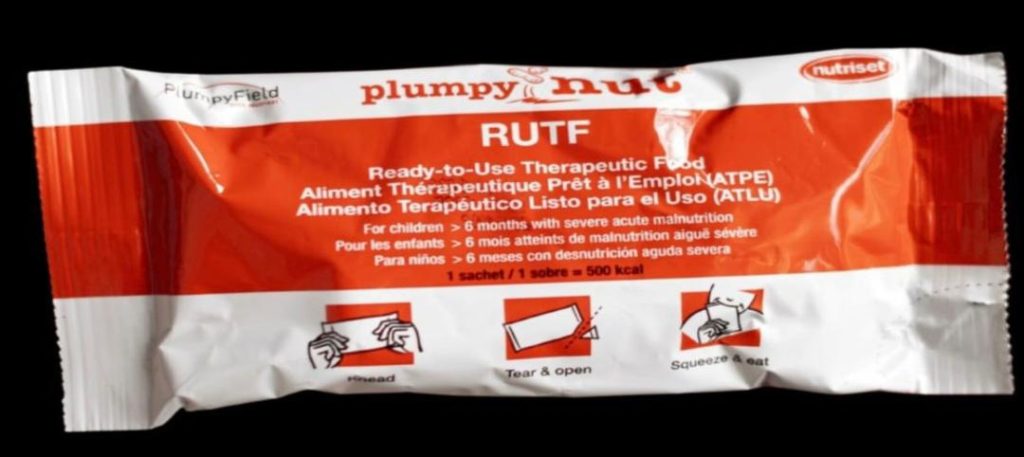
UNICEF marks 30 years since or RUTF, was developed. The recipe is simple, peanuts, milk powder, sugar oil and vitamins, all in one. This covers the full nutrition needs for a child’s adequate growth.
The impact was radical. RUTF took treatment out of hospitals and put it in mothers’ hands.
The satchet had made its way from hospital wards to village homes.
Zimbabwe adopted RUTF in 2008 when the Ministry of Health and Child Welfare, with UNICEF support, rolled out the Community Management of Acute Malnutrition programme, known as CMAM.
The logic was basic but transformative.
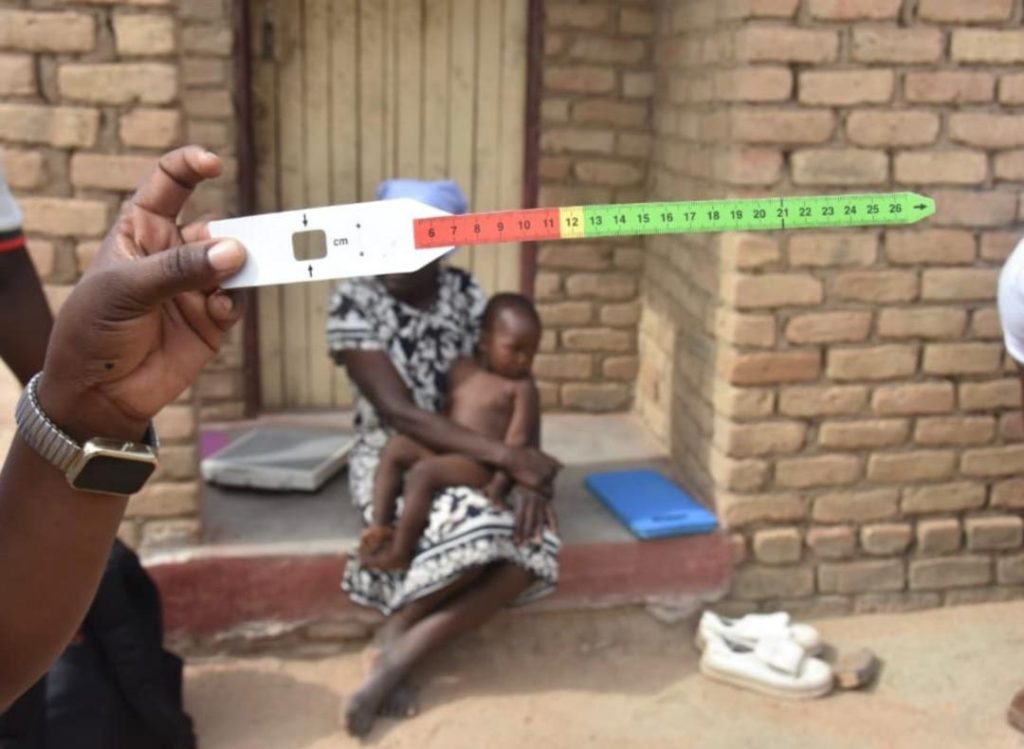
Village health workers were trained to use a colour-coded MUAC tape. Wrap it around a child’s upper arm: green means healthy, yellow means at risk and remedial nutrition is urgently needed, red is now a ticking time bomb — under 11.5cm — it means the child has severe acute malnutrition. Before RUTF, red meant referral to hospital. After RUTF, red meant the mother went home with a week’s supply of sachets. A mother’s love and care outweighs everything. The mother taking the bay home meant no intravenous feeds, no hospital admissions.
A mother needs 20 more hands to function at home, a care giver for the sick, fetches firewood in the afternoon after working in the fields in the morning. She fetches water from a streaming and if lucky, from a borehole. She has house chores waiting for her, from cleaning to cooking. As if that is not enough, she is expected to make the fire and prepare the supper as everyone else sits on the kitchen bench all eyes glued on her as she takes her first seat to still see to the cooking. A severely malnourished child miles away in a hospital bed would have seen her leave all these requirements unattended. Thanks to RUTF, she extends her hand in all these needs at home, with certainty that the child is restored to good health.
There is no choosing between a harvest and a hospital stay.
“RUTF changed everything, we used to have malnourished children referred to the clinics. At times the clinics further referred to the districts hospital. This meant that the mother was going to stay at the hospital too. As you know, there is only an admission bed for the patient. The mother would sleep in the open shelter used as a waiting bay during the day. It was hard. The sachet changed that sad narrativ. The mother is now given the nutritious peanut butter sachet for use at home,” said Doreen Chitsa, a village health worker from Zaka in Masvingo.
“Children recover best with their families and RUTF made that possible,” Chitsa added. The numbers tell the story. Each year, Zimbabwe treats thousands of children under 5 for SAM with RUTF. More than 9 in 10 recover, most without ever being admitted. A full 6 to 8 week course costs about US$45. Weeks of inpatient care can run into hundreds.
Why does the anniversary matter in 2026?
This milestone lands at a tense moment. Poor 2025/2026 rains linked to El Niño have pushed food insecurity higher across Matabeleland South, Masvingo and parts of Midlands.
Excessive rains meant hunger too. The Cyclone Idai that hit Manicaland and Masvingo Provinces in 2019.
Cyclone Idai devastated Chimanimani in March 2019, triggering floods and landslides that destroyed homes, crops, granaries and livestock. With fields wiped out on harvest eve, families faced severe food shortages and hunger. Malnutrition spiked, especially among women and children, as dietary diversity collapsed. Some children later reported fainting from hunger while at school. This necessitated the schools feeding programme which we shall later look into.
The Zimbabwe Vulnerability Assessment Committee projected over 2.7 million people were cereal insecure at peak of the Cyclone Idai disaster.
Clinics in the Chipinge and Chimanimani districts witnessed more children with the thin arms and swollen feet that marked malnutrition.
Severe Acute Malnutrition (SAM), is the deadliest form of hunger. In Zimbabwe, it shows as wasted bodies, thin arms under 11.5cm, or swollen feet from oedema. It signals a child’s body is shutting down and needs urgent treatment to survive. After Cyclone Idai in Chimanimani, destroyed crops and food stocks caused SAM cases to rise sharply among children under 5.
At a rural health centre, the RUTF line starts early as mothers with their babies sit on the benches, infants on laps. A village health worker moves down the queue with her MUAC tape.
A typical example is of baby Tariro, who two months ago her MUAC read 10.8cm — deep in the red for SAM. Today it’s 12.4cm, back in green. Her mother tears open a foil sachet and Tariro eats showing great appetite because it tastes good. After six weeks of treatment, Tariro and children who were malnourished are back to a healthy weight and playing again. Her mother said back home, she asks for it now. RUTF needs no water or cooking, making recovery possible at home.
One sachet is 500 calories. Three a day for a small child. No water needed. No cooking. No refrigeration. Just tear, eat, recover. Mothers return weekly for check-ups and resupply until the child is discharged.
“Before, Tariro wouldn’t even cry. She was too weak. Now she runs around, sings and she even shares some with her brother back home,” said her mother.
What does the next 30 years look like. From treatment to prevention, RUTF isn’t a silver bullet. It treats SAM. It doesn’t prevent it. Zimbabwe’s next battle is resilience, climate-smart agriculture, social protection grants and early warning systems so children never waste in the first place. MoHCC is now integrating CMAM into routine primary healthcare. That means every immunisation visit includes a MUAC check. UNICEF is backing regional efforts to produce RUTF locally, cutting costs and transport time.
The goal is simple: fewer children should ever need that foil sachet.
Still, for now, the peanut paste holds the line. “Thirty years ago, we accepted that severe malnutrition killed children,” said Chitsa. “Today, we know it doesn’t have to. RUTF proved that. Our job now is to make sure no child is malnourished ,” she concluded.
As UNICEF marks 30 years of RUTF on 5 May, the foil sachet stands as proof that malnutrition is not a death sentence. In Zimbabwe, peanut paste moved treatment from hospital beds to mothers’ hands, saving thousands of children like Tariro. Recovery rates above 90% show its power. Yet RUTF treats symptoms, not causes. Climate shocks, from Cyclone Idai to El Niño, keep driving hunger. The next 30 years demand prevention: stronger health systems, climate-smart agriculture, and local RUTF production. Healthy children today mean a functional, resilient Zimbabwe tomorrow.
Feedback: [email protected]